
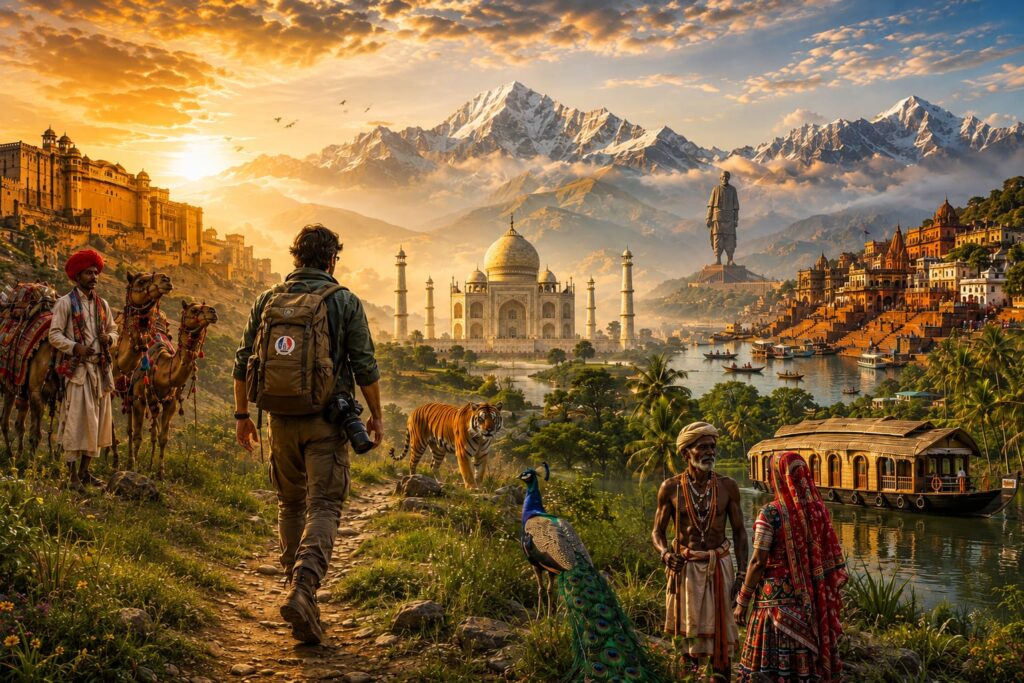
Discover a Land Where Every Journey Becomes a New Story.
For some countries, one visit is enough. But India is a destination you’ll keep discovering for a lifetime.
Stretching from the snow-covered peaks of the Himalayas to the turquoise waters of the Indian Ocean, from the golden sand dunes of the Thar Desert to the lush rainforests of the North-East, India is not one destination—it is many worlds brought together within a single country.
Every region of India has its own story to tell. Every language carries its own heritage. Every festival, every meal, every landscape, and every encounter reveals another side of a country that has fascinated travelers and explorers for centuries.
No matter where or when your journey begins, India has a remarkable way of making every traveler feel that they have discovered something uniquely their own. Some people come here in search of history; others seek adventure, wildlife, spirituality, photography, luxury, or authentic cultural experiences. Most leave with something they never expected—a deeper connection with the people, traditions, and timeless spirit of India. India changes the way people see life. You will never be quite the same again.
This guide invites you to travel across India—from North to South, East to West, through Central India and the extraordinary North-East—to discover why this incredible country continues to inspire millions of travelers from around the world.
A Land of Incredible Diversity
If there is one phrase that defines India, it is Unity in Diversity.
Not simply because of its size, but because every journey across India feels like stepping into a different world. As you travel from one region to another, the landscapes change, the languages evolve, the architecture transforms, the cuisine surprises you, and centuries-old traditions continue to flourish in countless unique ways. The only thing that never changes is the warmth of the people.
The North – Where the Mighty Himalayas Touch the Sky

Your journey may begin in the Himalayas.
The land of lamas, or Ladakh, welcomes adventurers with dramatic mountain passes, crystal-clear lakes, and centuries-old Buddhist monasteries perched on rugged cliffs. Kashmir enchants visitors with its peaceful lakes, colourful gardens, and snow-covered peaks, while Himachal Pradesh and Uttarakhand invite travellers to charming hill stations, sacred rivers, alpine forests, and some of the world’s most beautiful trekking routes.
Further south, the vibrant cities of Delhi, Amritsar, Jaipur, Agra, and Varanasi tell stories of emperors, warriors, saints, and civilizations that shaped India’s remarkable history.
The West – Kingdoms, Deserts and Endless Coastlines
Travel west, and India changes once again.
Rajasthan stands as a living museum of royal heritage, where magnificent forts, grand palaces, colourful bazaars, and desert landscapes transport visitors to another era. Gujarat celebrates wildlife, craftsmanship, and spiritual traditions, while Maharashtra combines ancient cave temples with bustling modern cities like Mumbai.
Further south, Goa offers golden beaches, Portuguese heritage, relaxed coastal villages, and unforgettable sunsets that attract travellers from every corner of the globe.
The Heart of India – Forests, Tribes and Ancient Civilizations

Often overlooked by first-time visitors, Central India reveals another fascinating face of the country.
The dense forests of Madhya Pradesh, where Rudyard Kipling wrote The Jungle Book, and Chhattisgarh shelter some of India’s most famous tiger reserves, prehistoric cave paintings, spectacular waterfalls, and remarkable archaeological treasures.
Here, visitors can also discover the rich traditions of India’s indigenous communities, whose cultures, music, crafts, and lifestyles have been preserved for generations. Their deep connection with nature offers a unique perspective on India’s extraordinary cultural diversity.
The East – Timeless Traditions and Living Heritage
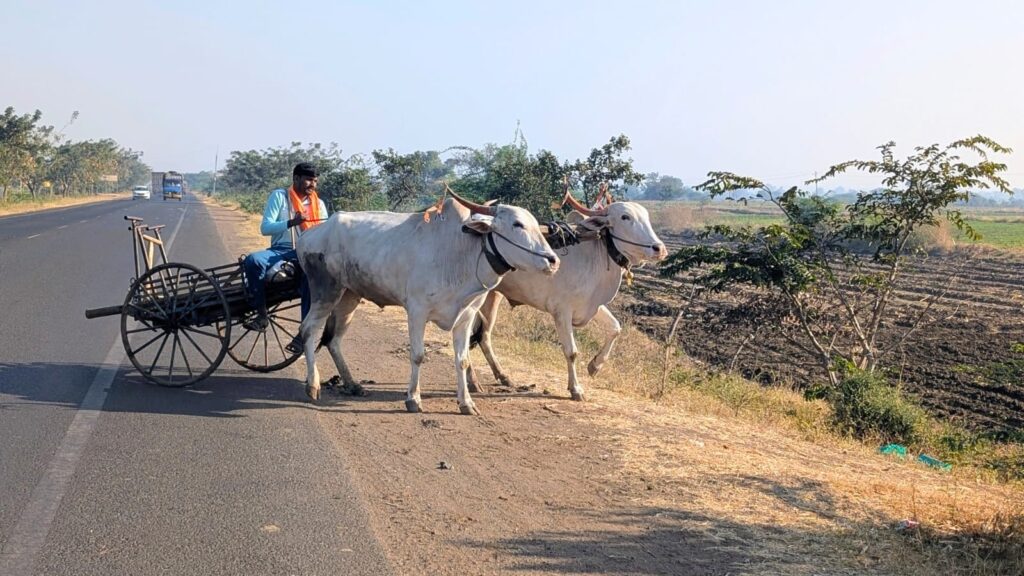
A traditional bullock cart still used in rural Odisha, Jharkhand and Bihar.
Eastern India offers journeys filled with spirituality, history, literature, and artistic excellence.
Odisha is renowned for magnificent temples, classical dance, beautiful beaches, and traditional handicrafts. Jharkhand preserves rich tribal heritage and untouched natural beauty, while Bihar invites visitors to follow the footsteps of Buddha through some of the world’s most important Buddhist pilgrimage sites.
West Bengal combines colonial architecture, artistic creativity, delicious cuisine, and the vibrant cultural life of Kolkata, one of India’s most fascinating cities.
The North-East – India’s Best Kept Secret

For many international travellers, North-East India remains one of Asia’s greatest hidden treasures.
This extraordinary region is home to mist-covered mountains, ancient tribal traditions, emerald tea gardens, living root bridges, rare wildlife, colourful festivals, and breathtaking landscapes unlike anywhere else in the country.
Each of the eight North-Eastern states possesses its own identity, making every journey here feel like discovering a completely new destination.
The South – Where Tradition Meets Tropical Beauty
As the journey continues south, India reveals yet another personality.
Kerala’s peaceful backwaters, world-famous Ayurvedic massages (such as Abhyanga), wildlife sanctuaries, and spice plantations create an atmosphere of complete relaxation. Tamil Nadu impresses visitors with magnificent temple architecture that has stood for centuries, while Karnataka combines royal palaces, coffee plantations, UNESCO World Heritage Sites, and thriving modern cities.
Andhra Pradesh and Telangana add another dimension with ancient temples, rich culinary traditions, and a cultural heritage that continues to evolve while remaining deeply rooted in history.
Did You Know?
Many people think of India as a single destination, but travelling across the country can feel like visiting several different nations in one journey. With hundreds of languages and dialects, diverse climates, countless regional cuisines, and traditions that vary from one state to another, every region offers a completely new experience.
Guide Explorateur Travel Tip
Don’t try to “see all of India” in one trip.
Instead, choose one or two regions and experience them deeply. Whether it’s the Himalayas of the north, the deserts of Rajasthan, the tropical landscapes of Kerala, or the hidden gems of the North-East, every part of India deserves time to be appreciated. The best journeys are measured not by the number of places visited, but by the memories created. For a deeper experience, consider spending around two to three weeks exploring one region.
A Moment to Imagine…
Close your eyes for a moment.
Now imagine yourself standing beneath the towering peaks of Ladakh as colourful prayer flags dance in the mountain breeze.
Now you’re wandering through the golden forts of Rajasthan, where every sandstone wall whispers stories of kings, queens, and legendary warriors.
Your journey continues into the lush forests of Central India, where the silence is suddenly broken by the distant roar of Shere Khan.
In Odisha and Jharkhand, you discover ancient traditions that have been preserved for generations, while in the North-East, welcoming communities, mist-covered hills, and living root bridges reveal an India that few travellers ever experience.
Finally, you drift peacefully through Kerala’s backwaters as the sun paints the sky in shades of orange and gold, ending your day with the aroma of freshly prepared spices and the gentle rhythm of village life.
Now open your eyes. You realise something extraordinary…
You haven’t travelled through one country.
You’ve travelled through many different worlds, all within India.
That is the magic of India.
History & Heritage
Where Every Stone Has a Story to Tell
India is one of the world’s oldest continuously inhabited civilizations, with a history stretching back more than five thousand years. Yet what makes India’s heritage truly extraordinary is not only its age, but the fact that history is still alive in everyday life.
Travel through the country, and you’ll discover that every region preserves its own chapter of India’s remarkable story.
In the north, the majestic forts of Rajasthan stand proudly above ancient cities, while the Mughal masterpieces of Delhi and Agra reflect an era of architectural brilliance that continues to inspire the world. Along the sacred banks of the Ganges in Varanasi, traditions that have endured for thousands of years continue much as they always have, making it one of the oldest living cities on Earth.
In the west, you’ll encounter the ancient stepwells of Gujarat, the UNESCO-listed caves of Ajanta and Ellora in Maharashtra, and coastal towns where Indian and Portuguese influences have blended for centuries.
Central India reveals another layer of history. The temples of Khajuraho showcase exceptional craftsmanship of Kamasutra, while the prehistoric rock shelters of Bhimbetka preserve some of humanity’s earliest artistic expressions. Hidden deep within forests and villages are stories passed from generation to generation by indigenous communities whose traditions remain an important part of India’s cultural identity.
Eastern India tells stories of powerful kingdoms, magnificent temples, and spiritual movements that shaped Asia. Odisha’s Sun Temple at Konark is an architectural masterpiece, while Bihar became the birthplace of Buddhism, attracting pilgrims and seekers from around the world for centuries.
In North-East India, the eight states—Arunachal Pradesh, Assam, Manipur, Meghalaya, Mizoram, Nagaland, Sikkim, and Tripura—are home to an extraordinary diversity of communities. The Adi, Apatani, Nyishi, Khampti, Bodo, Karbi, Dimasa, Mising, Deori, Meitei, Kuki, Tangkhul, Paite, Khasi, Garo, Jaintia, Mizo, Hmar, Pawi, Angami, Ao, Konyak, Rengma, Bhutia, Lepcha, Nepali, Tripuri, Jamatia, and Chakma peoples have preserved their languages, traditions, festivals, and way of life for generations while embracing the future. Here, heritage is not only found in monuments but also in the people themselves.
The journey concludes in South India, where the towering temples and their gopurams (Giant temple gateway towers) of Tamil Nadu, the royal legacy of Karnataka, the spice routes of Kerala, and the ancient dynasties of Andhra Pradesh and Telangana reveal civilizations that flourished through trade, art, science, literature, and devotion.
Wherever you travel in India, history is never confined to museums. It echoes through ancient streets, resonates in temple bells, is reflected in family traditions, and lives in the smiles of people. Indians are proud to share their heritage.
Did You Know?
India is home to around 43 UNESCO World Heritage Sites, ranging from magnificent monuments and ancient caves to national parks and even an operating mountain railway. Together, they represent thousands of years of human creativity, cultural exchange, and natural beauty.
Guide Explorateur Travel Tip
History is best experienced slowly.
Don’t just visit a monument for a photograph. Walk through its corridors, listen to the stories of local guides, observe the details carved into stone, and imagine the lives of the people who once called it home. You’ll leave with far more than pictures—you’ll leave with understanding. If possible, try to visit any monument early in the morning or at opening time. You’ll find fewer crowds than during peak hours.
A Moment to Imagine…
Now close your eyes for a moment.
Imagine standing before the Taj Mahal as the first rays of dawn gently illuminate its white marble.
Now you’re walking through the winding blue streets of Jodhpur, where echoes of royal processions seem to linger in the air.
Now you’re watching monks chant inside a peaceful monastery in Ladakh, the Land of Lamas, before continuing to Bhimbetka, where prehistoric artists left their mark on cave walls thousands of years ago.
Your journey carries you to Konark, where 24 stone wheels of the chariot tell stories of the sun, and finally to the towering temples of Madurai, whose colourful gopurams (gateway towers) have welcomed pilgrims for centuries.
Now open your eyes. You begin to understand something remarkable.
India doesn’t simply preserve history. India continues to live it.
Nature’s Masterpiece
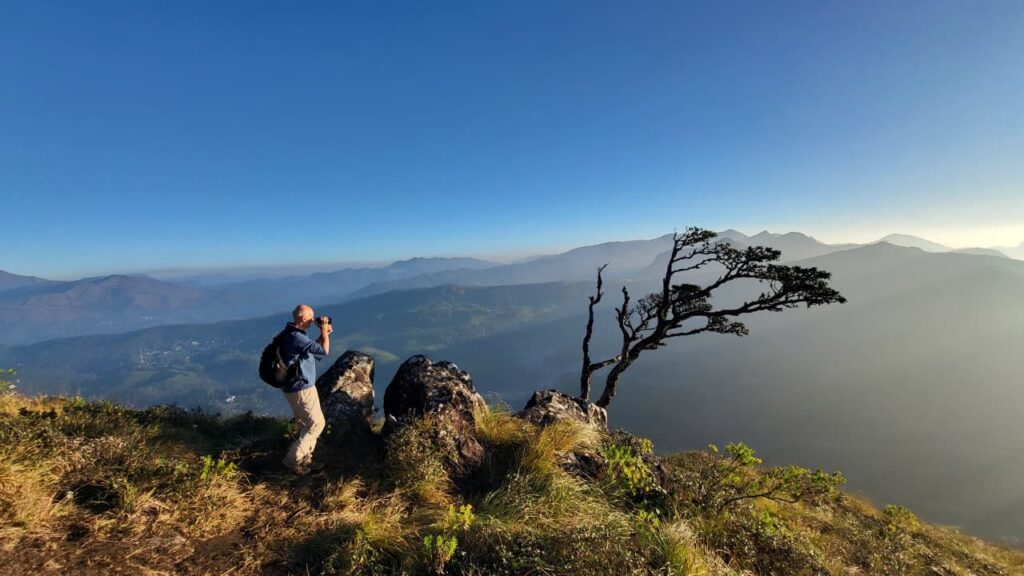
From the Roof of the World to the Indian Ocean
Few countries offer such an extraordinary variety of landscapes within a single journey as India.
Every sunrise seems to unveil a different canvas, painted by nature over millions of years. From towering mountain ranges to tropical islands, from dense forests to vast salt deserts, India’s geography is as diverse as its culture.
The Himalayas – Where Earth Meets the Sky
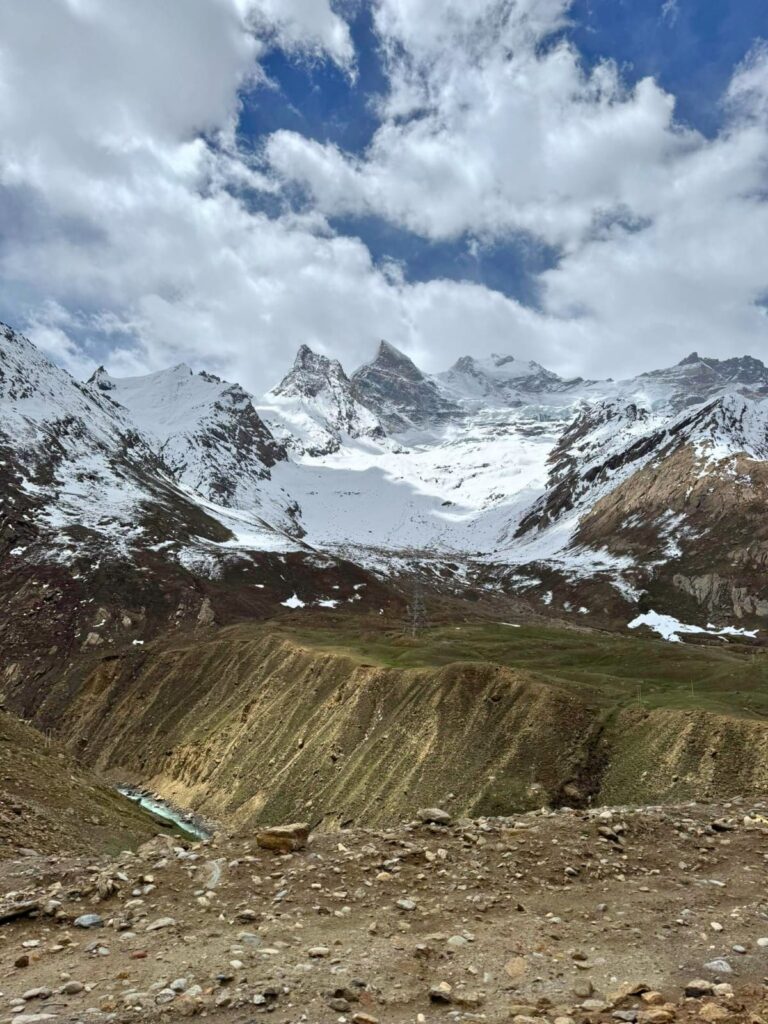
In the far north, the Himalayas stand as silent guardians of the subcontinent. Snow-capped peaks, crystal-clear rivers, ancient monasteries, alpine meadows, and high-altitude lakes create landscapes that inspire both adventure and reflection.
Whether you’re crossing the dramatic passes of Ladakh, walking through flower-filled valleys in Uttarakhand, or watching the sunrise over Kanchenjunga in Sikkim, every mountain journey feels unforgettable.
Forests That Still Roar
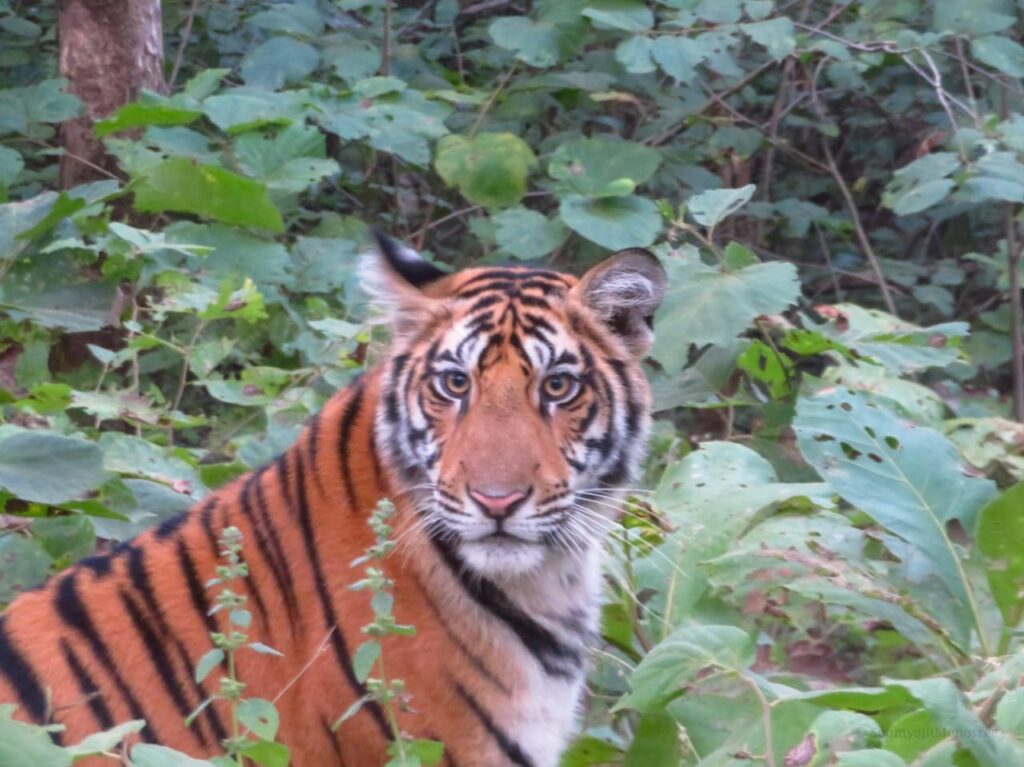
As you travel towards Central India, another world unfolds.
Dense forests stretch across Madhya Pradesh, Chhattisgarh, Maharashtra, Jharkhand, and Odisha, providing sanctuary to Bengal tigers, leopards, cheetahs, elephants, sloth bears, wild dogs, and hundreds of bird species.
These forests are not only wildlife habitats—they are home to indigenous communities who have lived in harmony with nature for centuries, preserving traditions and knowledge that continue to inspire sustainable living.
Deserts Full of Life
Cross into Rajasthan and the landscape transforms once again.
Golden dunes roll towards the horizon, camels leave delicate footprints across the Thar Desert, and centuries-old villages prove that life flourishes even in the harshest environments.
As evening falls, folk musicians gather around campfires beneath a sky illuminated by countless stars, creating memories that remain long after the journey ends.
Rivers That Shape Civilizations
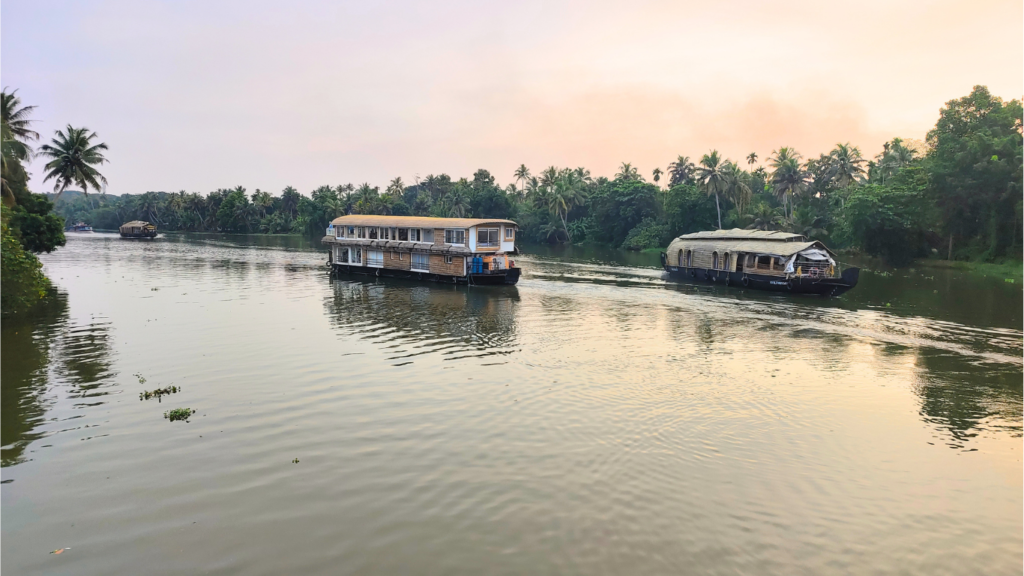
India’s great rivers are far more than waterways.
The Ganges, Brahmaputra, Narmada, Godavari, Krishna, and Kaveri have nourished civilizations, inspired spiritual traditions, supported agriculture, and connected communities for thousands of years.
Life continues to flow along their banks, where farmers, fishermen, pilgrims, artisans, and families begin each day with rituals passed down through generations.
Coastlines and Islands
Stretching for thousands of kilometres, India’s coastline reveals another remarkable side of the country.
From the palm-fringed beaches of Goa and Kerala to the dramatic shores of Odisha and Tamil Nadu, every coastline has its own rhythm.
Beyond the mainland lie the Andaman and Nicobar Islands and Lakshadweep, where turquoise waters, coral reefs, and vibrant marine life create a tropical paradise for divers, snorkellers, and nature lovers.
A Country of Seasons
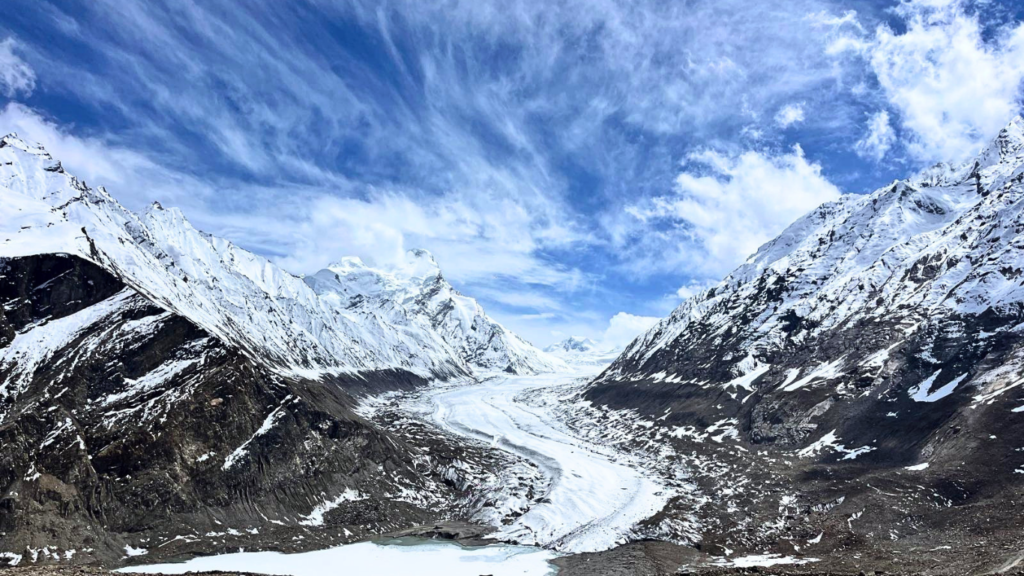
India is also a land of changing seasons.
Spring brings blooming valleys, summer opens the Himalayan passes, the monsoon transforms hills and forests into vibrant shades of green, autumn offers clear mountain views, and winter blankets the north with snow while much of the south enjoys pleasant sunshine.
Each season reveals a different face of India, making it a destination worth visiting throughout the year.
Did You Know?
India is one of the world’s 17 megadiverse countries, meaning it is home to an exceptional share of Earth’s biodiversity. From snow leopards in the Himalayas to coral reefs in the Indian Ocean, the country’s ecosystems support an astonishing variety of plants and animals.
Guide Explorateur Travel Tip
Don’t plan your journey around landmarks alone.
Plan it around landscapes.
Watching the sunrise in the Himalayas, listening to the waves along Kerala’s coast, walking through a rainforest after the monsoon, or spending a night beneath the stars in the Thar Desert often becomes the memory travellers cherish most.
A Moment to Imagine…
Now close your eyes for a moment.
Imagine waking before dawn in Ladakh, wrapped in the crisp mountain air as the first light touches snow-covered peaks.
Now you find yourself drifting through Kerala’s peaceful backwaters, where coconut palms sway gently, and kingfishers dart across the water.
Soon after, you’re standing silently in a forest, listening to birdsong while hoping to catch a glimpse of a tiger emerging from the trees.
Now you are focusing your camera on the rare bird the Great Indian Bustard (Godawan). Then you’re riding on the back of a camel, and at night you’re gazing at the stars in the Thar Desert.
Now, open your eyes.
Nature doesn’t simply decorate India.
It defines the rhythm of every journey.
Living Cultures & Timeless Traditions
Where Every Day Is a Celebration of Life
India’s greatest treasure is not only its monuments or landscapes—it is its people.
Across the country, every community, every village, and every city has its own customs, traditions, languages, music, clothing, and ways of celebrating life. These traditions are not preserved only for museums or special occasions; they continue to thrive in everyday life.
Travel through India, and you’ll quickly discover that every region has its own personality.
North India – A Land of Faith, Courage and Celebration
In Punjab, hospitality is a way of life. Guests are welcomed with warmth, generous meals, and open hearts.
In the valleys of Kashmir and the mountains of Himachal Pradesh and Uttarakhand, traditional wooden homes, colourful festivals, and centuries-old customs continue to shape daily life.
Further east, the spiritual cities of Varanasi and Haridwar remind visitors that faith is deeply woven into India’s cultural fabric.
Western India – Royal Heritage and Colourful Traditions
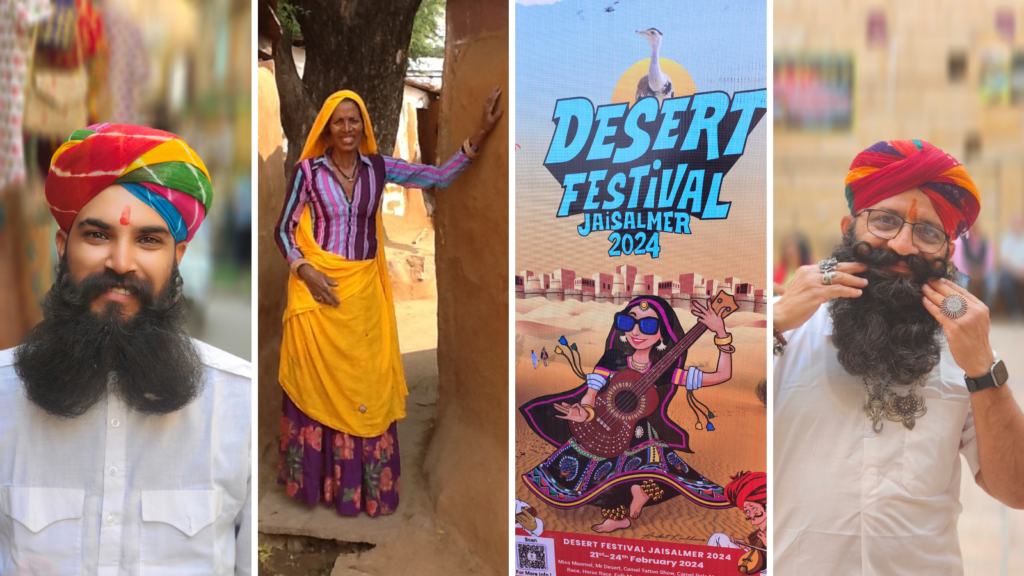
Rajasthan celebrates life through vibrant turbans, graceful folk dances, puppet shows, camel fairs, Gangaur Festival, and magnificent palaces.
In Gujarat, colourful embroidery, Garba dance, traditional craftsmanship, and festivals fill villages and cities with energy throughout the year.
Meanwhile, Goa reflects a unique blend of Indian and Portuguese influences that can be seen in its architecture, cuisine, music, and festivals.
Central India – Guardians of Ancient Traditions
The forests and hills of Madhya Pradesh and Chhattisgarh are home to numerous indigenous communities whose traditions have been passed from one generation to the next.
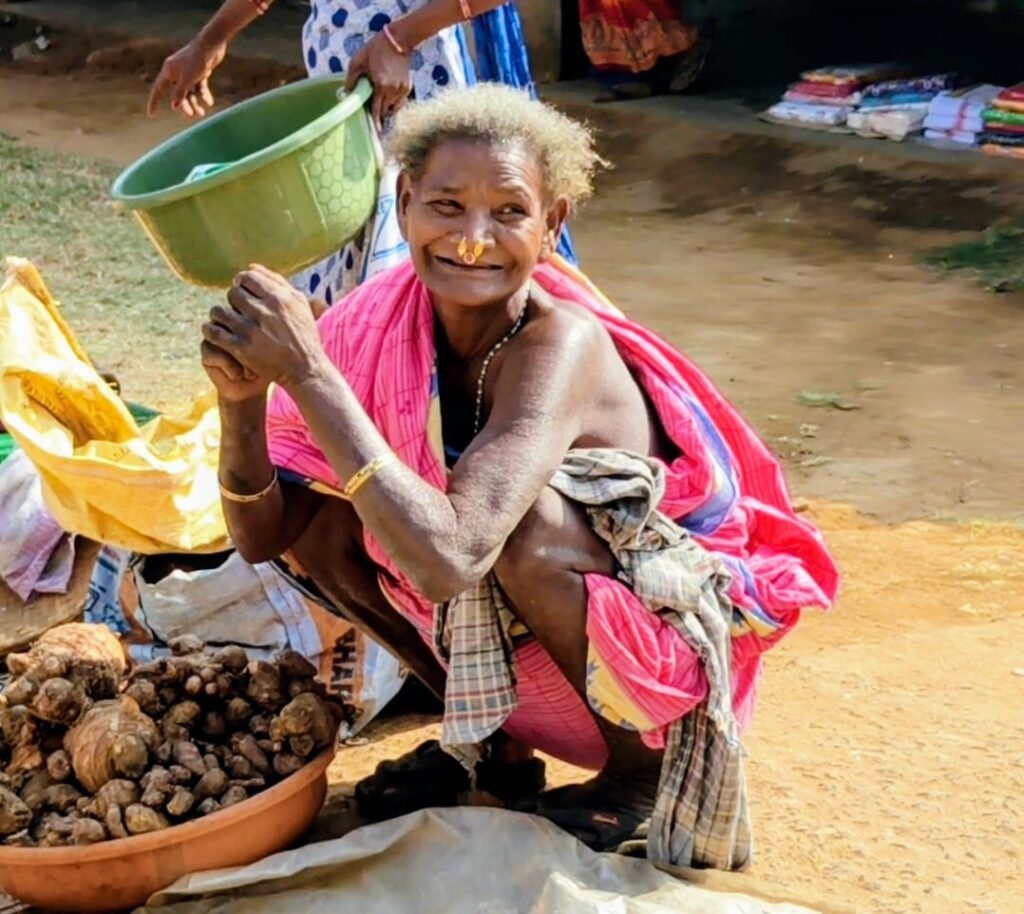
Their art, music, festivals, storytelling, and craftsmanship reflect a profound relationship with nature.
Visitors who experience these communities respectfully gain a deeper understanding of India’s cultural richness beyond its famous cities.
Eastern India – Art, Devotion and Creativity
In Odisha, master artisans continue to practise centuries-old crafts, while classical dance forms such as Odissi tell stories through graceful movement.
Jharkhand preserves vibrant tribal festivals and artistic traditions, while Bihar remains closely connected to Buddhist heritage and ancient learning.
West Bengal is renowned for literature, theatre, music, painting, and one of India’s most celebrated festivals—Durga Puja.
North-East India – Diversity Like Nowhere Else
Few regions in Asia display such remarkable cultural diversity.
The North-East is home to dozens of ethnic communities, each with its own language, traditions, festivals, architecture, clothing, and cuisine.
Whether attending the Hornbill Festival in Nagaland or visiting a village in Meghalaya, travellers quickly realise that the region offers cultural experiences found nowhere else in India.
South India – Ancient Traditions in Modern Times
Southern India beautifully balances tradition and progress.
The magnificent temple towns of Tamil Nadu, the classical music and dance traditions of Karnataka, Kerala’s rich performing arts, and the cultural heritage of Andhra Pradesh and Telangana demonstrate how ancient customs continue to flourish alongside modern life.
Across the south, festivals, family traditions, local markets, and community celebrations remain an integral part of everyday living.
Did You Know?
India officially recognizes 22 scheduled languages, while hundreds of other languages and dialects are spoken across the country. In many places, travelling just a few hundred kilometres introduces you to a completely different language, cuisine, style of dress, and cultural tradition.
Guide Explorateur Travel Tip
Some of your most memorable experiences won’t happen at famous landmarks.
They’ll happen while sharing tea with a local family, watching artisans at work, joining a village celebration, or simply chatting with someone who is proud to tell you about their home.
The most meaningful souvenirs are often the stories people share with you. Never miss the chance to witness an Indian wedding during your visit, as the colours, music, dance and traditions will give you the memories that will last a lifetime.
A Moment to Imagine…
Now close your eyes for a moment.
Imagine sitting in a small village courtyard as the aroma of freshly prepared food fills the air.
Children laugh nearby while elders share stories that have travelled through generations.
A local musician begins to play, people dressed in colourful traditional clothing dance in the evening light, and someone invites you to join—not as a spectator, but as a guest.
Now you’re capturing the vibrant celebrations of Rajasthan’s Gangaur Festival, playing Holi with a local Rajasthani family, photographing a tribal woman at a traditional market in Odisha, and finally dancing with local communities at Nagaland’s famous Hornbill Festival.
Now you can open your eyes.
In that moment, you realise something important.
You are no longer simply visiting India.
For a little while…
You become part of it.
Taste of India: A Journey Through Flavours

In India, every meal tells a story. From the fragrant spices of Rajasthan to the coconut-rich curries of Kerala, from the smoky tandoors of Punjab to the delicate momos of the Himalayas, every region has its own identity on the plate.
Food here is more than nourishment—it’s a celebration of family, festivals, traditions, and local history. Wander through bustling street markets where the aroma of freshly prepared snacks fills the air, or enjoy a homemade meal in a village where recipes have been passed down for generations.
The beauty of Indian cuisine lies in its incredible diversity. Two neighbouring states can have completely different flavours, cooking techniques, and ingredients. Vegetarian travelers will discover one of the richest culinary cultures in the world, while meat lovers will find countless regional specialties shaped by geography and tradition.
Whether you’re sipping chai on a misty mountain morning, enjoying fresh seafood by the Arabian Sea, or tasting sweets during a colourful festival, every bite becomes part of your journey.
Did You Know?
For centuries, India’s precious spices attracted merchants, explorers, and adventurers from across the world. Explorers such as Vasco da Gama sailed thousands of kilometres in search of a direct sea route to India, driven largely by the immense value of spices like black pepper, cardamom, cinnamon, and cloves. These treasures helped shape global trade and changed the course of world history.
Guide Explorateur Travel Tip
Skip the tourist restaurants at least once during your journey. Some of India’s most unforgettable meals are found in family-run eateries, local markets, or homes where recipes have been lovingly passed down through generations.
If your travels bring you to Udaipur, Rajasthan, I highly recommend experiencing Honey’s Kitchen Udaipur. Join a hands-on cooking class, learn the secrets of authentic Rajasthani cuisine, and share a home-cooked meal with a local family. It’s much more than a cooking class—it’s a cultural experience you’ll remember long after your trip. (Advance booking is recommended—simply search “Honey’s Kitchen Udaipur” on Google.)
A Moment to Imagine…
Now close your eyes for a moment.
You’re sitting in a local Indian restaurant and in front of you there’s a large thali full of dishes like kebabs, dal and seasonal vegetables and your mouth is watering. After the delicious meal, you reach for a warm gulab jamun, one of India’s most beloved sweets, and it melts in your mouth.
Now you can open your eyes.
You must be feeling hungry now.
Warm Hospitality: Where Every Guest Feels at Home

One of India’s greatest treasures cannot be found on a map or in a monument—it’s the warmth of its people.
Across the country, guests are often welcomed not as strangers, but as friends. Whether you’re invited to share a cup of chai in a village, offered directions by a passer-by, or greeted with a genuine smile at a family-run guesthouse, these simple acts of kindness often become the memories travellers cherish the most.
This spirit of hospitality is deeply rooted in the ancient Indian philosophy of “Atithi Devo Bhava”, a Sanskrit phrase meaning “The Guest is God.” For generations, it has inspired people to treat visitors with respect, generosity, and heartfelt care.
Of course, India is a vast and diverse country, and every experience is unique. Yet many travellers leave with the same lasting impression: it wasn’t just the magnificent forts, colourful festivals, or breathtaking landscapes that stole their hearts—it was the people they met along the way.
In India, a conversation with a local can turn into an invitation to a family celebration, a shared meal, or a story you’ll remember long after your journey has ended. These unexpected moments often become the most meaningful souvenirs of all.
Did You Know?
The phrase “Atithi Devo Bhava” comes from the ancient Taittiriya Upanishad and has been part of Indian culture for thousands of years. It reflects the belief that every guest should be welcomed with kindness, respect, and wholehearted hospitality. Even today, this timeless philosophy continues to shape the way many Indians receive visitors, making hospitality one of the country’s most cherished traditions.
Guide Explorateur Travel Tip
Don’t hesitate to start a conversation. Ask about a local festival, a favourite family recipe, or the history of a neighbourhood. Many people are happy to share stories, and these genuine interactions often become the most rewarding part of travelling in India. A warm smile, patience, and respect for local customs can open doors to experiences no guidebook can offer.
One cultural difference you may notice is that some Indians ask surprisingly personal questions soon after meeting you. They might ask whether you’re married, how old you are, what you do for a living, or—even if you’re divorced—what happened. Don’t be offended or surprised. In most cases, these questions come from genuine curiosity rather than a desire to invade your privacy. Many Indians are equally open about sharing their own lives, families, and personal stories. If a question makes you uncomfortable, a polite smile and a simple, “I’d rather keep that private,” will always be understood and respected.
Festivals: A Celebration of Life

In India, there is always something to celebrate. With hundreds of festivals observed throughout the year, every season brings new colours, traditions, music, and unforgettable experiences.
From the sparkling lights of Diwali and the joyful colours of Holi to the devotion of Durga Puja, the harvest celebrations of Pongal, Baisakhi, and Onam, the vibrant Hornbill Festival of Nagaland, the sacred Hemis Festival of Ladakh, the floral celebration of Bihu in Assam, and the festivities of Eid, Christmas, Navroz, and Guru Nanak Jayanti, every festival tells a story shaped by the traditions of its region and community.
For travellers, festivals offer a rare opportunity to experience India at its most vibrant. Streets come alive with music and dance, homes are beautifully decorated, markets overflow with festive delicacies, and communities gather to celebrate together. Whether you’re watching a Buddhist mask dance in Ladakh’s Hemis festival, joining the rhythmic beats of Bihu in Assam, witnessing the spectacular Hornbill Festival in Nagaland, or celebrating Diwali with a local family, you’ll experience traditions that have been cherished for generations.
One of the most remarkable aspects of India is the way people from different communities often join in each other’s celebrations. This shared spirit of joy, respect, and togetherness is one of the country’s greatest strengths.
If your visit coincides with a festival, embrace the experience with an open mind. Respect local customs, dress appropriately when visiting places of worship, and don’t hesitate to accept an invitation to join the celebrations. These are often the moments travellers remember long after returning home.
Did You Know?
India celebrates hundreds of festivals every year, and almost every month brings a major celebration somewhere in the country. From the snow-covered monasteries of Ladakh to the lush hills of the Northeast and the tropical backwaters of Kerala, each region has its own unique festivals, making every journey through India a different cultural experience.
Guide Explorateur Travel Tip
If possible, plan your journey around a local festival. It’s one of the best ways to experience India’s traditions, cuisine, music, and hospitality at their most authentic. Popular festivals can attract large crowds, so book your accommodation and transport well in advance—and don’t forget your camera!
If you’re visiting Udaipur during Holi or Diwali, I highly recommend checking whether Honey’s Kitchen Udaipur is hosting one of its special festival experiences. These unique events combine a hands-on cooking class with the celebration itself, giving you the chance to prepare traditional festive dishes, enjoy a home-cooked feast, and celebrate alongside a local family. It’s an unforgettable way to experience Indian festivals beyond the usual tourist attractions.
Advance booking is recommended—simply search “Honey’s Kitchen Udaipur” on Google.
A Paradise for Adventure Seekers
Whether you’re chasing adrenaline, seeking serenity, or simply looking to explore the unknown, India offers adventures unlike anywhere else on Earth. From towering mountains and roaring rivers to dense forests and endless coastlines, every journey promises something extraordinary.
Ride a motorcycle across the breathtaking high-altitude passes of Ladakh, trek through the mighty Himalayas, raft along the Ganges, spot the majestic Bengal tiger in the jungles of Central India, dive into the turquoise waters of the Andaman Islands, or camp beneath a sky full of stars in the golden deserts of Rajasthan.
Adventure isn’t always about speed or thrills. It can be kayaking through the peaceful backwaters of Kerala, walking among the tea gardens of Darjeeling, exploring the living root bridges of Meghalaya, watching one-horned rhinoceroses roam freely in Kaziranga National Park, or witnessing the sunrise over the endless white salt plains of the Rann of Kutch in Gujarat.
What makes India truly special is its diversity. Every region offers a completely different adventure, shaped by its landscapes, climate, wildlife, and local culture. Whether you’re an experienced explorer or embarking on your very first adventure, India has something waiting just for you.
Did You Know?
India is one of the few countries in the world where you can experience the Himalayas, tropical rainforests, vast deserts, mangrove forests, pristine islands, rolling tea plantations, and one of the world’s largest salt deserts—all within a single nation.
Guide Explorateur Travel Tip
Don’t try to experience every adventure in one trip. India rewards slow travel. Choose one region, immerse yourself in its landscapes, culture, and people, and let the journey unfold naturally. Whether it’s trekking in the Himalayas, exploring the Northeast, discovering the deserts of Rajasthan, or relaxing on the beaches of the Andaman Islands, you’ll leave with richer memories—and a reason to return.
India: A Destination for Every Budget
Whether you’re a backpacker, a luxury traveller, or somewhere in between, India offers exceptional value for money. Few countries allow you to experience so much while staying within your budget.
You can wake up in a comfortable guesthouse overlooking the Himalayas, enjoy a delicious local meal, visit centuries-old monuments, and travel between destinations—all at a fraction of what similar experiences might cost in many other parts of the world.
At the same time, India is also home to some of the world’s finest luxury hotels, heritage palaces, wellness retreats, and exclusive wildlife lodges. Whether you dream of sleeping in a royal palace in Rajasthan, cruising the tranquil backwaters of Kerala on a private houseboat, or enjoying a luxury safari in search of Bengal tigers, India offers unforgettable experiences for every style of traveller.

What makes India truly special isn’t simply that it’s affordable—it’s the incredible variety of experiences available at every budget. With thoughtful planning, you can create a journey that perfectly matches your travel style without compromising on authenticity.
Whether you’re travelling solo, with friends, as a couple, or with your family, India proves that the most unforgettable memories don’t always come with an expensive price tag.
Did You Know?
India is one of the few destinations where travellers can choose from everything between simple family-run homestays and some of the world’s most luxurious palace hotels. This wide range of accommodation and experiences makes India accessible to travellers with almost any budget.
Guide Explorateur Travel Tip
Don’t plan your trip based solely on the lowest price. The best travel experiences come from finding the right balance between value, comfort, authenticity, and safety.
When seeking travel advice, listen to people whose travel style and expectations are similar to your own. A recommendation that’s perfect for a backpacker may not suit someone looking for comfort, privacy, or a premium experience—and vice versa.
Most importantly, never compromise on safety and security simply to save money. Choosing accommodation or transport based only on price can sometimes lead to disappointing experiences or unnecessary risks. Spending a little more for a trusted hotel, reliable transport, or an experienced local guide is often one of the best investments you can make.
Remember, holidays are about creating unforgettable memories—not regretting the choices you made to save a few dollars.
Wildlife: Nature at Its Wildest
India is far more than magnificent monuments and colourful festivals—it’s one of the world’s richest wildlife destinations. With landscapes ranging from snow-covered mountains and tropical rainforests to deserts, grasslands, wetlands, and mangrove forests, the country is home to an astonishing variety of plants and animals.

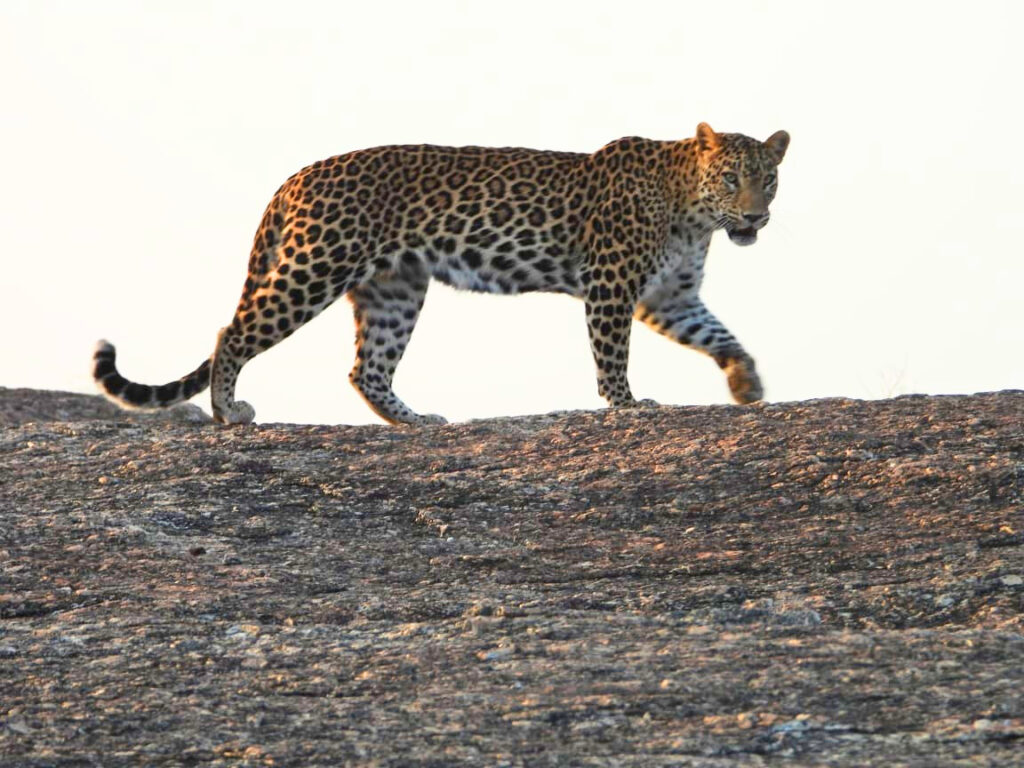

For many travellers, spotting the majestic Bengal tiger in its natural habitat is a dream come true. But India’s wildlife extends far beyond its national animal. You can watch Asian elephants roaming freely, encounter the rare one-horned rhinoceros in Assam, track the elusive snow leopard in the Himalayas, observe Asiatic lions in Gujarat, or cruise through the Sundarbans—the world’s largest mangrove forest—in search of unique wildlife.
India is also a paradise for birdwatchers, with more than 1,300 recorded bird species, from the colourful Indian pitta and hornbills of the Northeast to graceful flamingos gathering in wetlands and salt marshes.
The country’s protected areas include more than a hundred national parks and hundreds of wildlife sanctuaries and conservation reserves, each preserving unique ecosystems and offering unforgettable opportunities to connect with nature.

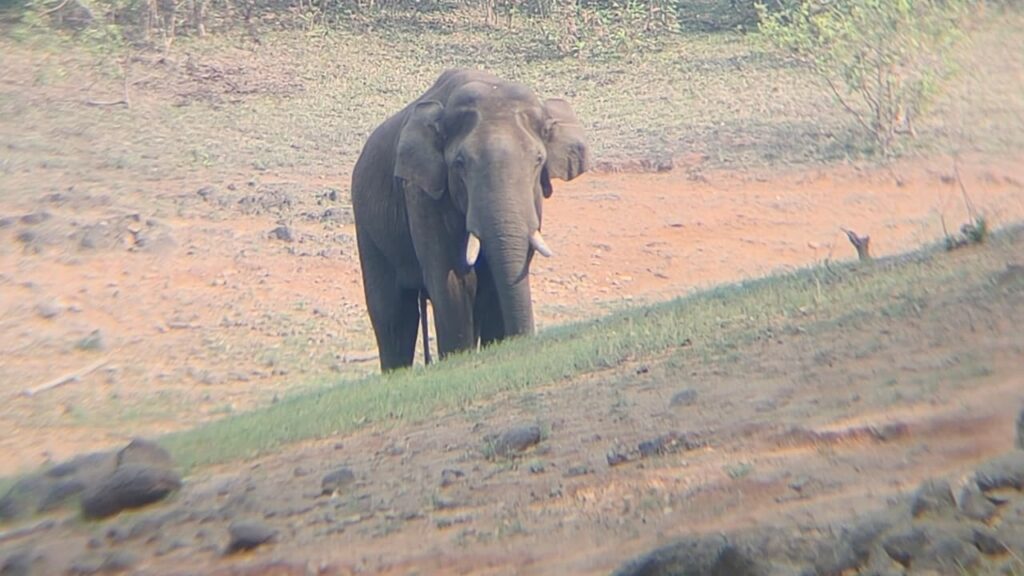
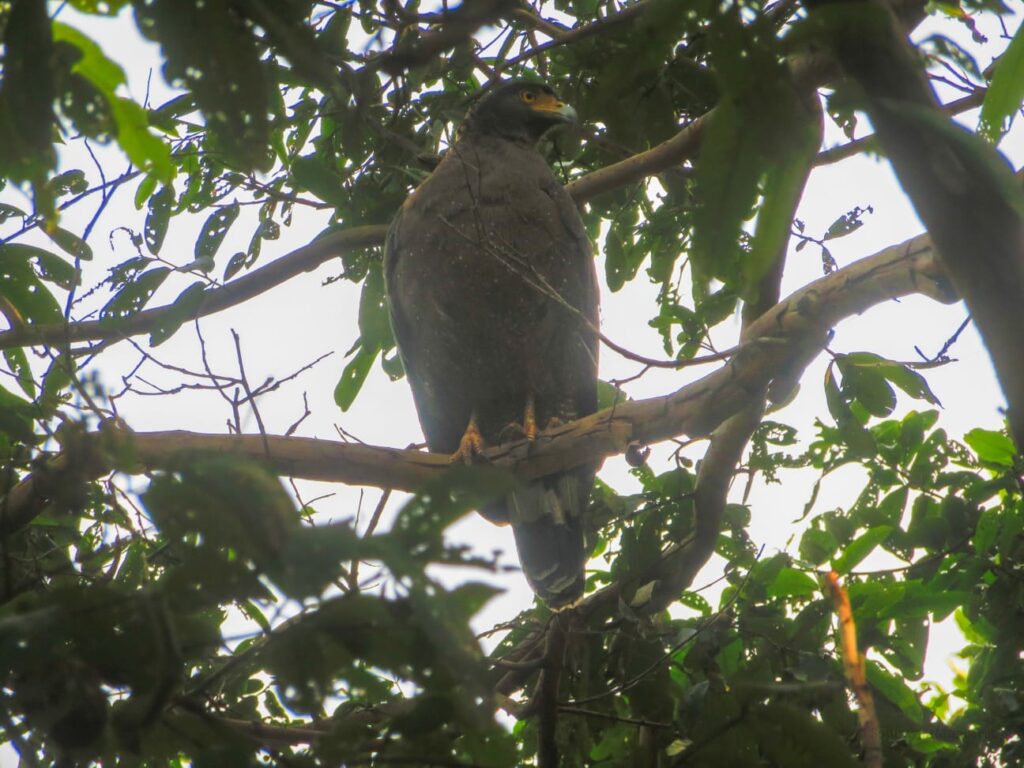
Whether you’re an experienced wildlife photographer or simply someone who enjoys the beauty of nature, India’s extraordinary biodiversity promises encounters that will stay with you forever.
Did You Know?
India is the only country in the world where wildlife enthusiasts can experience all five iconic big cats—the Bengal Tiger, Asiatic Lion, Leopard, Snow Leopard, and Cheetah. Combined with Asian elephants, one-horned rhinoceroses, wild water buffalo, gharials, and thousands of bird species, India is one of the world’s greatest wildlife destinations.
Guide Explorateur Travel Tip
If you’re planning a wildlife safari, book your safari permits before booking your hotel. In many of India’s most popular national parks—such as Ranthambore, Bandhavgarh, Kanha, Jim Corbett, and Kaziranga—the number of safari vehicles is strictly limited each day.
Premium safari zones, such as Zones 1 to 6 in Ranthambore, often sell out weeks or even months in advance, especially during peak season. Once you’ve secured your safari, you can choose accommodation nearby.
Remember, your hotel can usually be changed—but a sold-out safari is an opportunity you may never get back.
A Journey That Changes You
Some destinations are admired. Others are remembered. India is often both.
There is a famous saying among travellers: “You either love India, or you hate it—but you’ll never forget it.” While the phrase is memorable, the reality is often more nuanced.
India is a country of incredible contrasts. It rewards travellers who arrive with curiosity, patience, and an openness. Those expecting everything to work exactly as it does back home—or chasing deals that seem too good to be true—may find themselves disappointed.
Like anywhere else in the world, if an offer looks unbelievably cheap, it’s worth asking why. Choosing reliable accommodation, trusted guides, and reputable travel providers is one of the best ways to enjoy a safe and memorable journey. A little research before you travel can make all the difference.
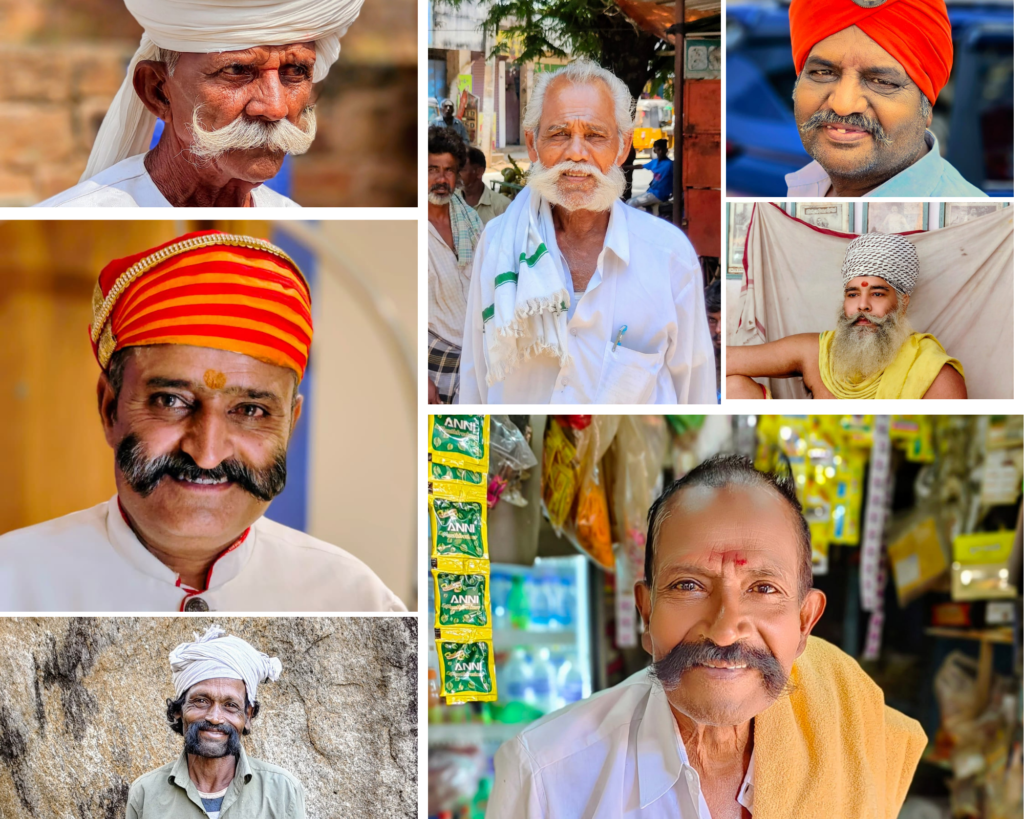
Travelling through India is more than ticking famous landmarks off a list. It’s about embracing the unexpected—sharing a conversation with a stranger on a train, watching the sunrise over an ancient temple, celebrating a festival with a local family, or discovering peace in the silence of the mountains.
India has a remarkable way of surprising you. Just when you think you’ve understood it, the country reveals another side of itself. Every region offers a different rhythm of life, every journey tells a different story, and every encounter leaves a new impression.
Many travellers arrive expecting to see India. They leave feeling that India has changed the way they see the world. The country’s diversity, resilience, spirituality, hospitality, and vibrant energy often inspire people to travel with greater curiosity, patience, and appreciation for different cultures.
Perhaps that’s why so many visitors return—not because they have seen everything, but because they know there is always more waiting to be discovered.
Did You Know?
Many travellers who visit India once return again and again, choosing to explore a different region each time. With its extraordinary diversity of landscapes, cultures, languages, cuisines, and traditions, no single journey can truly capture everything India has to offer.
Guide Explorateur Travel Tip
Travel with an open mind—but also with good judgement. Don’t let an unbelievably cheap offer make your decisions for you. Choose trusted travel providers, read genuine reviews, and remember that value is not the same as the lowest price. The best journeys are built on authentic experiences, thoughtful planning, and a willingness to embrace the unexpected.
Spirituality & Wellness: A Journey Within
India has long been a destination for travellers seeking not only new places, but new perspectives. For thousands of years, people from around the world have travelled here in search of inner peace, wisdom, and wellbeing.
As the birthplace of Yoga and Ayurveda, India offers countless opportunities to reconnect with both body and mind. From sunrise yoga sessions overlooking the Himalayas to traditional Ayurvedic therapies in Kerala, wellness is deeply woven into everyday life in many parts of the country.
Spirituality in India is remarkably diverse. You may hear the peaceful chants of Buddhist monks in Ladakh, witness the evening Ganga Aarti on the ghats of Varanasi, meditate in a Himalayan monastery, visit the magnificent Golden Temple in Amritsar, admire the serenity of Jain temples in Rajasthan, or explore ancient churches, mosques, synagogues, and temples that have stood side by side for centuries.

What makes India unique is not simply the number of sacred places, but the coexistence of many faiths, philosophies, and traditions. Whether you are deeply religious, spiritually curious, or simply interested in understanding different cultures, India invites you to explore with an open heart and an open mind.
For many travellers, the greatest discovery isn’t found in a monument or a mountain—it’s the sense of reflection, gratitude, and perspective they carry home long after the journey has ended.
Did You Know?
India is the birthplace of Hinduism, Buddhism, Jainism, and Sikhism, making it one of the world’s oldest centres of spiritual thought and learning.
According to a popular theory, the “missing 18 years” of Jesus Christ—the period between his childhood and the beginning of his public ministry—may have been spent travelling in India, where some believe he studied philosophy, meditation, and spiritual traditions. While this idea has fascinated historians and travellers for generations, it remains a subject of debate and has not been historically proven.
In Hindu tradition, Lord Shiva is revered as the Adi Yogi (“The First Yogi”) and is believed to have been the original source of yogic wisdom, laying the foundation for the ancient practice of yoga.
Guide Explorateur Travel Tip
When visiting temples, monasteries, mosques, churches, or other sacred places, dress modestly, follow local customs, and always ask before taking photographs where photography may be restricted. Whether or not you share the beliefs of the people you meet, showing respect is one of the most meaningful ways to experience India’s rich spiritual heritage.
Responsible Travel: Discover India, Respect India
The true beauty of travelling isn’t measured by the number of places you visit—it’s measured by the positive impact you leave behind.
India’s rich heritage, diverse cultures, breathtaking landscapes, and unique wildlife have been preserved for generations. As travellers, we all share the responsibility of protecting them for those who will visit in the future.
Choose local whenever possible. Stay in family-run homestays, dine at locally owned restaurants, buy directly from artisans and craftsmen, and hire knowledgeable local guides. Your choices not only create more authentic experiences but also help support local communities and preserve traditional skills.
Respect local customs and traditions. Dress appropriately when visiting places of worship, ask permission before photographing people, avoid littering, and be mindful of local etiquette. Small gestures of respect often create meaningful connections and lasting memories.

“A child with the latest tablet or smartphone is not necessarily happier than a child laughing with friends while playing…”
One of the greatest lessons India teaches is not to judge people by appearances. In many villages, you may meet someone dressed in the simplest clothes who owns a beautiful home, fertile farmland, or a successful family business. At the same time, someone wearing expensive brands in a large city may be living in a rented apartment and struggling financially. Every society defines comfort and success differently.
The same is true for happiness. A child with the latest tablet or smartphone is not necessarily happier than a child laughing with friends while playing with an old tyre in a village. Travelling through India often reminds us that joy, contentment, and a meaningful life cannot always be measured by material possessions.
Nature deserves the same care. Whether you’re trekking in the Himalayas, exploring the deserts of Rajasthan, cruising through the Sundarbans, or diving in the Andaman Islands, leave every destination as beautiful as you found it. Take only photographs, leave only footprints, and help protect India’s extraordinary natural heritage.
Travelling responsibly doesn’t mean giving up comfort—it simply means travelling with awareness, kindness, and respect. Every thoughtful decision contributes to preserving India’s incredible diversity for generations to come.
Did You Know?
India is home to dozens of UNESCO World Heritage Sites, hundreds of protected national parks and wildlife sanctuaries, and thousands of years of living traditions. Every responsible traveller plays a small but important role in helping preserve this remarkable heritage.
Guide Explorateur Travel Tip
If your journey through India inspires you to give something back, consider supporting a local cause. I recommend supporting the “Raghunath Foundation”
an NGO dedicated to supporting orphaned children, caring for senior citizens aged 65 and above, and protecting the environment through its “Merci la Terre – Thank You Earth” tree-planting initiative, along with other community projects.
Whether you choose to volunteer, make a donation, plant a tree, or simply learn more about their work, even a small act of kindness can make a meaningful difference. You can also follow Raghunath Foundation on Instagram or search for it on Google to learn more.
India Awaits: Are You Ready for the Journey?
India isn’t a country that can be understood through photographs, documentaries, or guidebooks alone. It must be experienced.
It is a land where ancient traditions meet modern cities, where snow-capped mountains give way to tropical beaches, where every region has its own language, cuisine, festivals, and stories. It is a place that will challenge your expectations, awaken your curiosity, and reward you with memories that last a lifetime.
No matter what kind of traveller you are—an adventurer, a history enthusiast, a wildlife lover, a foodie, a photographer, a spiritual seeker, or someone simply looking for a meaningful escape—India has something waiting for you.
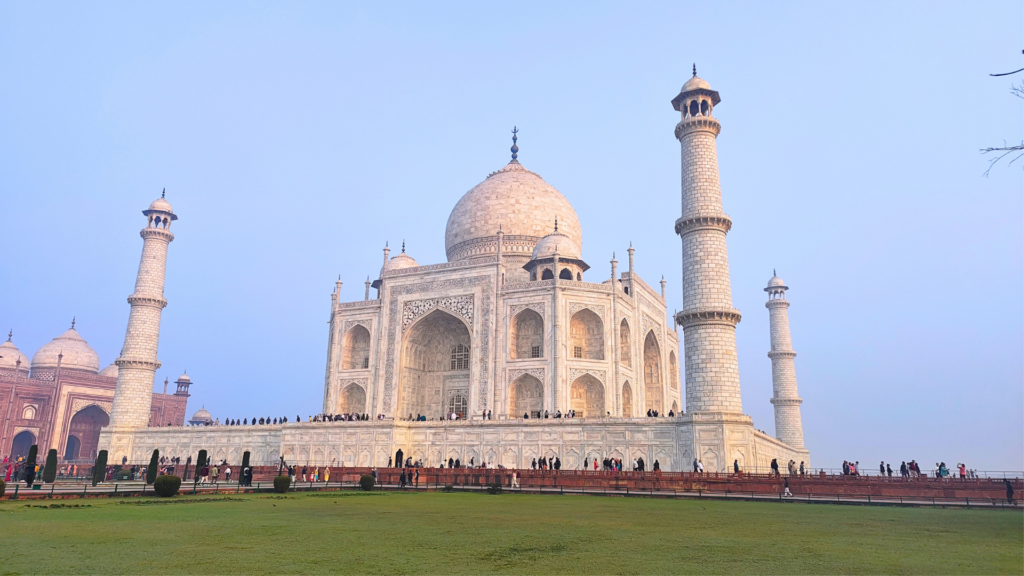
Perhaps once in a lifetime, you’ll have the chance to express your love before the world’s greatest symbol of love—the Taj Mahal, a UNESCO World Heritage Site and one of the New Seven Wonders of the World.
One day, you may come for the magnificent forts of Rajasthan, the peaceful monasteries of Ladakh, the backwaters of Kerala, the vibrant festivals, or the incredible wildlife. But chances are, you’ll leave remembering something far simpler: the smile of a stranger, a shared cup of chai, a conversation that turned into a friendship, or a moment that made you see the world a little differently.
As the saying goes, you can visit India once, but you’ll never finish discovering it. Every journey reveals a new chapter, inviting you to return again and again.
Did You Know?
India is home to more than 1.4 billion people, 22 officially recognised languages, thousands of dialects, countless traditions, and an extraordinary variety of landscapes. Yet despite its immense diversity, one journey through India is often enough to leave travellers with a lifetime of stories—and the desire to return.
Guide Explorateur Travel Tip
Before planning your journey, be mindful of where you get your travel advice. Whenever possible, seek recommendations from people who have actually travelled extensively in India or from trusted local experts—not from those whose opinions are based only on headlines, social media posts, or second-hand stories.
Like every destination in the world, India has places that require common sense and sensible precautions. However, many first-time visitors arrive with unnecessary concerns after reading isolated news reports or online stereotypes. They often return with a completely different perspective, having discovered a country filled with warmth, hospitality, and unforgettable experiences.
Travel with awareness, stay informed, and use the same sensible precautions you would in any destination.

Let your own journey—not someone else’s assumptions—define your understanding of India.
Your Guide Explorateur