Tribal Tours
Go Beyond the Usual Tourist Trail
Meet tribal communities and discover their living traditions.
Some journeys take you to monuments. Then there are regions where the people themselves embody a living heritage.
Our tribal tours in India, Nepal, Bhutan and Sri Lanka are for travellers who want to discover traditional ways of life, cultures, cuisines, local skills and crafts, stories, festivals and landscapes connected to Indigenous peoples and tribal communities.
This is not a conventional sightseeing tour. It is about going further, into regions where some traditions have been passed down through generations and daily life can still be very different from what most travellers know.
With our knowledge of the region and our experience, we can arrange carefully planned encounters with communities, including experiences rarely found on conventional tourist itineraries.
Some experiences may surprise you. Others will take you far beyond the roads most travellers follow.
And some of the surprises we create for our travellers will remain theirs alone.
India: A World of Tribal Cultures
India is home to hundreds of communities officially recognised as Scheduled Tribes, spread across regions with extraordinary geographical and cultural diversity.
From the forests of Central India to the mountains of the North-East and the Nilgiris in the south, each community has its own languages, traditions, cuisine and crafts, architecture, beliefs and relationship with nature.
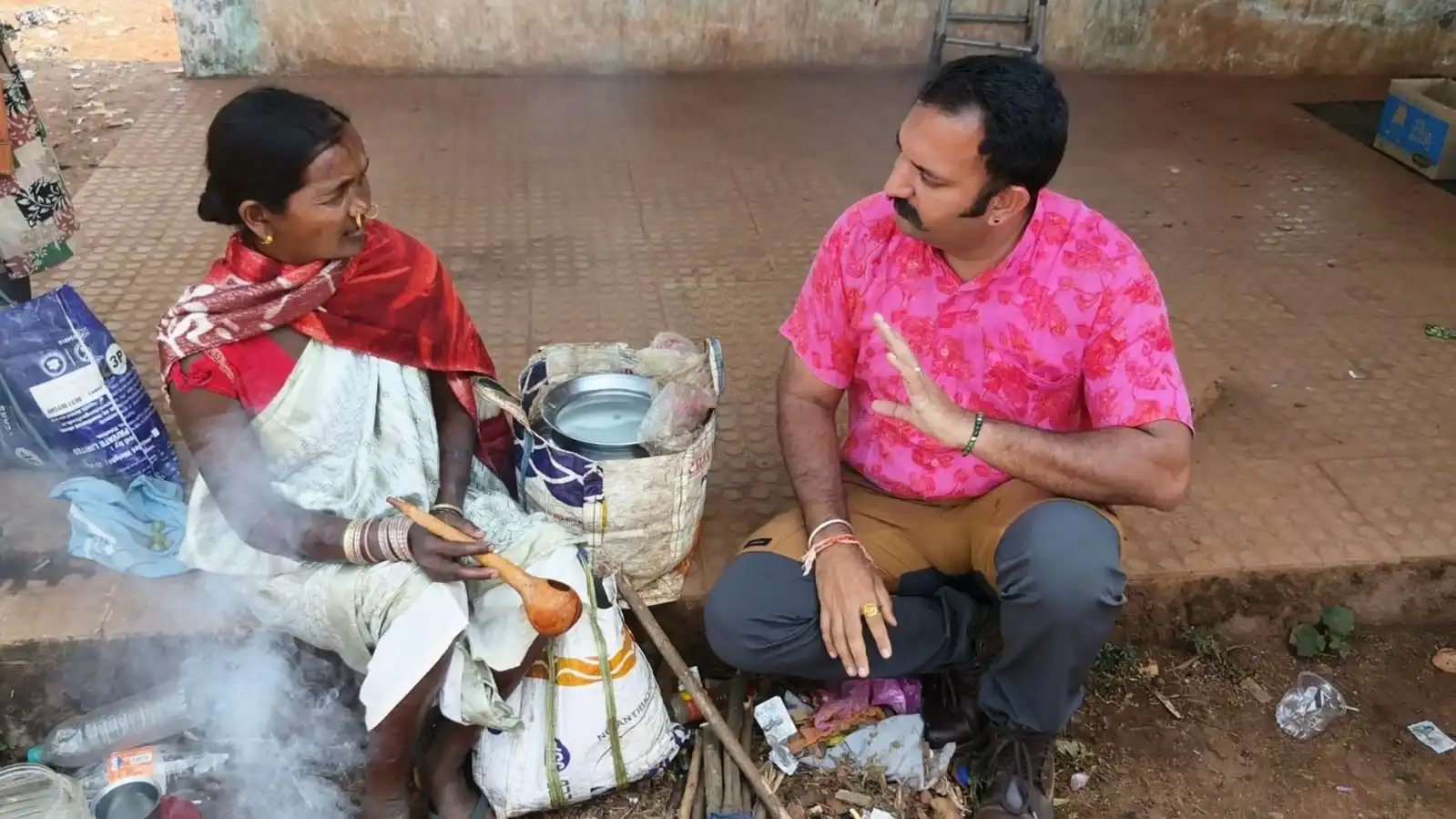
Our tribal tours in India can take you to very different regions, depending on the communities, landscapes and experiences you would like to discover.
Central India
Madhya Pradesh, Chhattisgarh, Odisha and Jharkhand
Central India is one of the country’s most fascinating regions for discovering tribal cultures.
Depending on the itinerary, you may meet communities such as the Gond, Bhil, Baiga and Santhal, along with other Indigenous peoples.
Village visits, traditional crafts, local cuisine, forest walks, conversations with residents and discovering the ancestral connections between communities, forests and nature can all be part of your journey.
Tribal Festivals of Central India
Bhagoria Festival — Bhil and Bhilala communities, Madhya Pradesh
(generally in March)
Celebrated in areas including Jhabua, Alirajpur, Dhar and Khargone, Bhagoria is one of Madhya Pradesh’s best-known tribal celebrations.
Traditional music, dancing, colourful clothing and local markets give the festival its lively atmosphere. It is closely associated with the Bhil and Bhilala communities.
Madai Festival — tribal communities of Chhattisgarh
(generally from December to March, depending on the location)
Madai celebrations take place in different parts of Chhattisgarh, bringing together local traditions and community gatherings, music, dance and religious ceremonies.
Bastar Dussehra — Bastar, Chhattisgarh
(generally over around 75 days, ending in September or October, according to the lunar calendar)
Bastar Dussehra is very different from the better-known Dussehra celebrations in other parts of India.
Deeply connected to the traditions, deities and tribal communities of the Bastar region, it is one of the country’s most distinctive regional cultural events.
North-East India
Nagaland, Meghalaya, Mizoram and Assam
North-East India is home to an extraordinary diversity of peoples, languages and traditions.
Depending on your itinerary, we can introduce you to communities such as the Naga, Khasi, Garo and Mizo, among many others.
Traditional villages, Indigenous architecture, local cuisine, crafts, music, dance and community festivals offer a glimpse into a cultural world very different from the rest of India.
Tribal and Indigenous Festivals of North-East India
Hornbill Festival — Naga communities, Nagaland
(generally in December)
Held in Nagaland, the Hornbill Festival brings together different Naga communities to celebrate their music, dances, cuisine, crafts and cultural traditions.
Wangala Festival — Garo community, Meghalaya
(generally in November)
Known as the Festival of 100 Drums, Wangala is an important Garo harvest festival, marked by traditional drumming, dancing, colourful clothing and community gatherings.
Chapchar Kut — Mizo community, Mizoram
(generally in March)
One of Mizoram’s main traditional festivals, Chapchar Kut marks the end of the traditional jhum clearing period and is celebrated with music, dancing and community gatherings.
Nongkrem Dance Festival — Khasi community, Meghalaya
(generally in November)
An important Khasi cultural and religious celebration that brings together thanksgiving, traditional dances and community rituals.
South and West India
Tamil Nadu, Kerala, Karnataka and Maharashtra
Tribal cultures also have an important place in South and West India.
In the Nilgiri Mountains of Tamil Nadu, you can discover communities including the Toda, Kota, Kurumba and Irula.
Kerala is home to communities including the Paniyan, Kadar, Kanikar and Adiyan, while Karnataka is home to communities such as the Soliga and Yerava.
In Maharashtra, the Warli are particularly known for their instantly recognisable traditional art.
These experiences can bring together villages, crafts, local cuisine, stories and forest landscapes, while helping you understand how these communities have adapted to their surroundings over generations.

Nepal — Indigenous Cultures from the Himalayas to the Terai
Nepal does not have legally defined “tribal areas” comparable to the designated territories or reserves found in some countries.
Nepal does, however, recognise many Indigenous Adivasi Janajati communities, spread across the country’s three main geographical regions — the mountains, hills and Terai.
This geographical and cultural diversity offers remarkable opportunities for travellers who want to discover Indigenous peoples and their traditional ways of life.
Himalayan Communities
Sherpa — Khumbu and Solukhumbu
The Sherpa are known around the world for their connection to the high mountains and the Everest region.
A journey through Khumbu offers the chance to discover Sherpa villages, Buddhist monasteries, traditional architecture, mountain life and the realities of everyday living at high altitude.
These experiences can naturally be combined with Himalayan trekking, homestays and cultural encounters.
Thakali — Mustang and Thak Khola
The Thakali communities of Mustang and Thak Khola have distinctive cultural, architectural and culinary traditions.
Travelling through these spectacular Himalayan landscapes brings together the beauty of the mountains and the discovery of Thakali villages, cuisine and traditions.
Tamang — Central Hills
Tamang communities live mainly in the central hills around the Kathmandu Valley and in neighbouring regions.
Traditional villages, Buddhist traditions, music, dance, local cuisine and community life offer different ways to discover their culture.
Gurung and Magar — Gandaki and Western Nepal
The Gurung and Magar communities have strong cultural traditions in the hills of western and central Nepal.
These regions are especially rewarding for combining Himalayan trekking with encounters with Indigenous cultures.
Rai and Limbu — Eastern Nepal
In eastern Nepal, particularly around Bhojpur, Khotang and Taplejung, you can discover Rai and Limbu cultural traditions.
These journeys can combine mountain scenery, village stays, traditional cuisine and local encounters.
Indigenous Festivals of Nepal
Sonam Lhosar — Tamang communities
(generally in January or February)
The Tamang New Year is celebrated with traditional clothing, music, dance, cuisine and community gatherings.
Tamu Lhosar — Gurung communities
(generally in December or January)
The Gurung New Year brings families and communities together through traditional dress, music, dance and food.
Gyalpo Losar — Himalayan Buddhist communities, including the Sherpa
(generally in February or March)
This Tibetan Buddhist New Year is marked by prayers, ceremonies, family gatherings, traditional dishes and cultural activities in Himalayan communities.
Ubhauli — Kirat communities, including the Rai and Limbu
(generally in May)
A seasonal celebration deeply connected with nature, agriculture and Kirat traditions.
Udhauli — Kirat communities, including the Rai and Limbu
(generally in November or December)
A complementary seasonal celebration associated with the arrival of winter and traditional Kirat beliefs.
These festivals follow different local and lunar calendars, so their dates can vary from year to year.
Bhutan — Living Traditions in the Kingdom of the Thunder Dragon
Bhutan is different.
Rather than presenting it through the conventional idea of a “tribal tour”, we prefer to introduce you to its different ethnic communities and their traditional ways of life.
Bhutan is home to the Tshangla in the east, the Ngalop in the west and the Lhotshampa in the south, as well as the Bumthap, Khengpa, Brokpa, Kurtoep, Doya and Monpa.

This diversity makes Bhutan especially fascinating for travellers who want to discover traditional Himalayan cultures.
Eastern Bhutan — Tshangla and Brokpa Communities
Travel further into eastern Bhutan and discover communities whose daily lives remain closely connected to the mountains, forests, agriculture and traditions.
The Brokpa communities of Merak and Sakteng are particularly interesting for travellers seeking cultural encounters in remote Himalayan regions.
Their traditional clothing, architecture, pastoral way of life and relationship with the highlands offer a very different perspective from the usual routes through Bhutan.
Central Bhutan — Bumthap and Kheng Communities
In central Bhutan, communities such as the Bumthap and Kheng preserve their languages, traditions, cuisine and distinctive ways of life.
Travelling through these regions reveals a rural Bhutan far beyond its best-known monasteries and monuments.
Southern Bhutan — Lhotshampa Communities
Southern Bhutan offers another cultural perspective, with communities whose traditions and cuisine reflect the diversity of the Himalayan foothills.
Festivals of Bhutan
Bhutan is famous for its Tshechu festivals, with sacred masked dances, traditional costumes, music and religious ceremonies.
These are not performances created for visitors. They are living religious and cultural traditions.
Paro Tshechu
(generally in March or April)
Punakha Tshechu
(generally in February or March)
Thimphu Tshechu
(generally in September or October)
The exact dates change each year according to the Bhutanese lunar calendar.
When possible, we can plan your journey around these celebrations while respecting their religious and cultural significance.
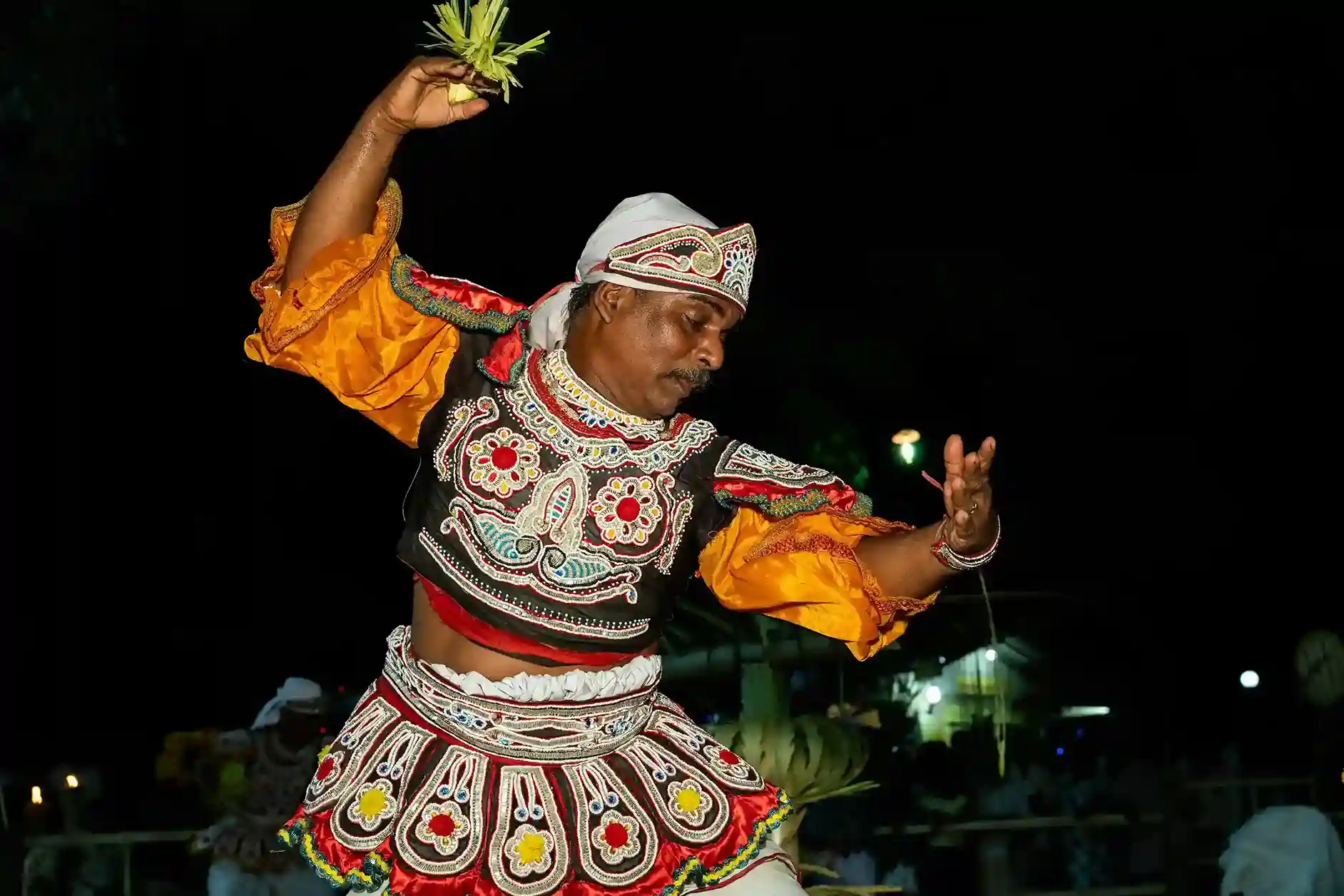
Sri Lanka — Discover the Island’s Indigenous Heritage
The main Indigenous community of Sri Lanka is the Vedda, also known as the Wanniyala-Aetto, a name often translated as “people of the forest”.
The Vedda have a long history on the island and have traditionally maintained a close relationship with the forest through hunting, gathering and their knowledge of nature.
Today, different Vedda communities have adapted to social change while preserving elements of their cultural identity.
Dambana and Eastern Sri Lanka
Dambana is one of the best-known places to discover Vedda heritage. Travellers can meet members of the community and learn more about their culture, crafts, stories and relationship with nature.
Rathugala, in the Ampara District of eastern Sri Lanka, offers another opportunity to discover Vedda heritage through experiences arranged with the community, traditional knowledge and guided forest activities.
Depending on what the community considers appropriate, experiences may include:
Meeting community members Discovering traditional knowledge of the forest Traditional crafts Stories and oral traditions
Discovering traditional cuisine Understanding the community’s connection with nature Community-led guided forest experiences Traditional ceremonies with the community’s consent
Traditional Ceremonies and Cultural Respect
Some Indigenous ceremonies are deeply personal and spiritual.
We never treat them as performances.
When a community welcomes visitors to take part in or observe a ceremony, we arrange the encounter respectfully and explain appropriate behaviour beforehand.
The community comes first | The traveller comes next
This is how we approach responsible tribal tourism.
Your Tribal Tour Can Be Truly Different
A tribal tour with Guide Explorateur is not about arriving in a village, taking a few photographs and leaving.
We can go much further.
Depending on the community and destination, your journey may include:
Village stays and homestays Meeting local families Preparing traditional dishes Local cuisine and food experiences Traditional crafts and workshops with artisans Forest walks Discovering plants and traditional knowledge Traditional music and dance Local festivals And sometimes, the most extraordinary experience is one you won’t find on any website or in any brochure.
Community celebrations Indigenous architecture Stories and oral traditions Traditional ceremonies when you are invited Learning a few words in a local language Experiences in remote villages Trekking combined with cultural encounters Exclusive experiences made possible through our local relationships
Our Local Knowledge Makes the Difference
This is exactly the kind of journey where our local knowledge, experience and local relationships matter most.
A tribal or Indigenous community should never be treated as just another tourist attraction.
Relationships matter. Trust matters. Timing matters. Respect matters.
The chance to have a genuine encounter often depends on relationships built locally and mutual understanding.
Before arranging an experience, we take the time to understand the community, the circumstances and what can genuinely be offered.
This allows us to create more personal, more respectful journeys that often go far beyond conventional tourist itineraries.
Exclusive Does Not Mean Staged
When we talk about an exclusive experience, we do not mean a performance staged for tourists.
We mean a genuine, meaningful and respectful encounter for both the community and the traveller.
It might be a conversation with a local artisan. Preparing a traditional dish with a family. Walking in the forest with someone who has known the landscape since childhood. Being invited to observe a community celebration. Or perhaps a surprise we have planned especially for you.
Some of our best experiences are the ones we cannot tell you about in advance.
You’ll have to trust us.
Safety and Responsible Travel
Travel in remote tribal regions can involve long drives, mountain tracks, forests, limited infrastructure and places far from major towns and cities.
Safety and preparation are therefore essential.
Before including an experience in your journey, we assess the transport, accommodation, local conditions and the nature of the activity.
We work with experienced local teams and guides who know both the region and its communities.
Where medical facilities or communications are limited, we arrange appropriate plans before you travel.
Above all, we respect the rules set by the communities themselves.
Adventure and authentic experiences should never come at the expense of safety or respect.
A Different Kind of Tour
We know it is easy to find “tribal village tours” online.
That is not what we set out to create.
Our aim is to create unique, respectful and genuinely local experiences shaped around your interests.
Perhaps you want to photograph traditional architecture. Learn about Indigenous cuisine. Discover traditional knowledge of plants and forests. Attend a tribal festival. Stay in a remote village. Or simply sit with local people and listen to their stories.
Tell us what you are looking for. We’ll tell you what is possible.
Your curiosity | Our local knowledge | Their living culture
Travel further | Meet people with respect
Discover a side of India, Nepal, Bhutan and Sri Lanka that most travellers never see.
Tell us which tribal or Indigenous experience you would like to have, and together we’ll create a truly exceptional journey for you.