
Cultural Tours
Discover a Country. Understand Its People.
Explore our destinations through their history, traditions and people.
When History Comes to Life
A country is more than its monuments. Its spirit is found in its people, their traditions, stories, food, festivals, beliefs, languages and the small details that shape everyday life.
Our cultural tours in India, Nepal, Bhutan and Sri Lanka are for curious travellers who want to go beyond the usual sightseeing and understand the countries they explore.
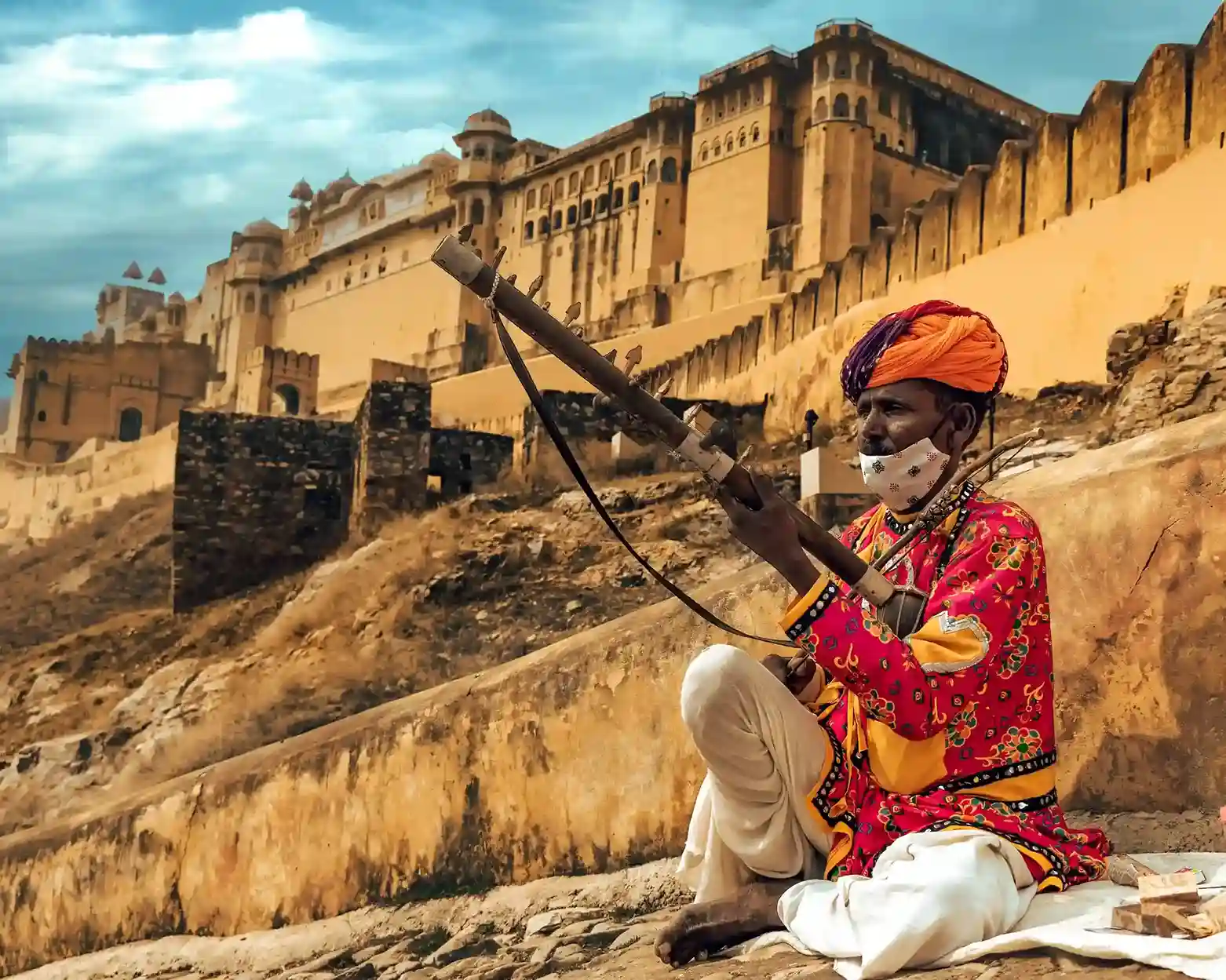
Discover magnificent monuments and UNESCO World Heritage Sites, ancient temples, palaces, forts, monasteries, historic cities and archaeological treasures. But every stone has a story to tell.
Why was this monument built? Who commissioned it? What happened here? Which traditions have endured through the centuries? What legends are still told today?
With experienced local guides and our knowledge of each destination, we help you uncover the history, legends and stories that bring the places you visit to life. A monument becomes far more fascinating when you know the story behind it.
Travel is about more than seeing and photographing a country. It’s also about getting to know it and understanding it.
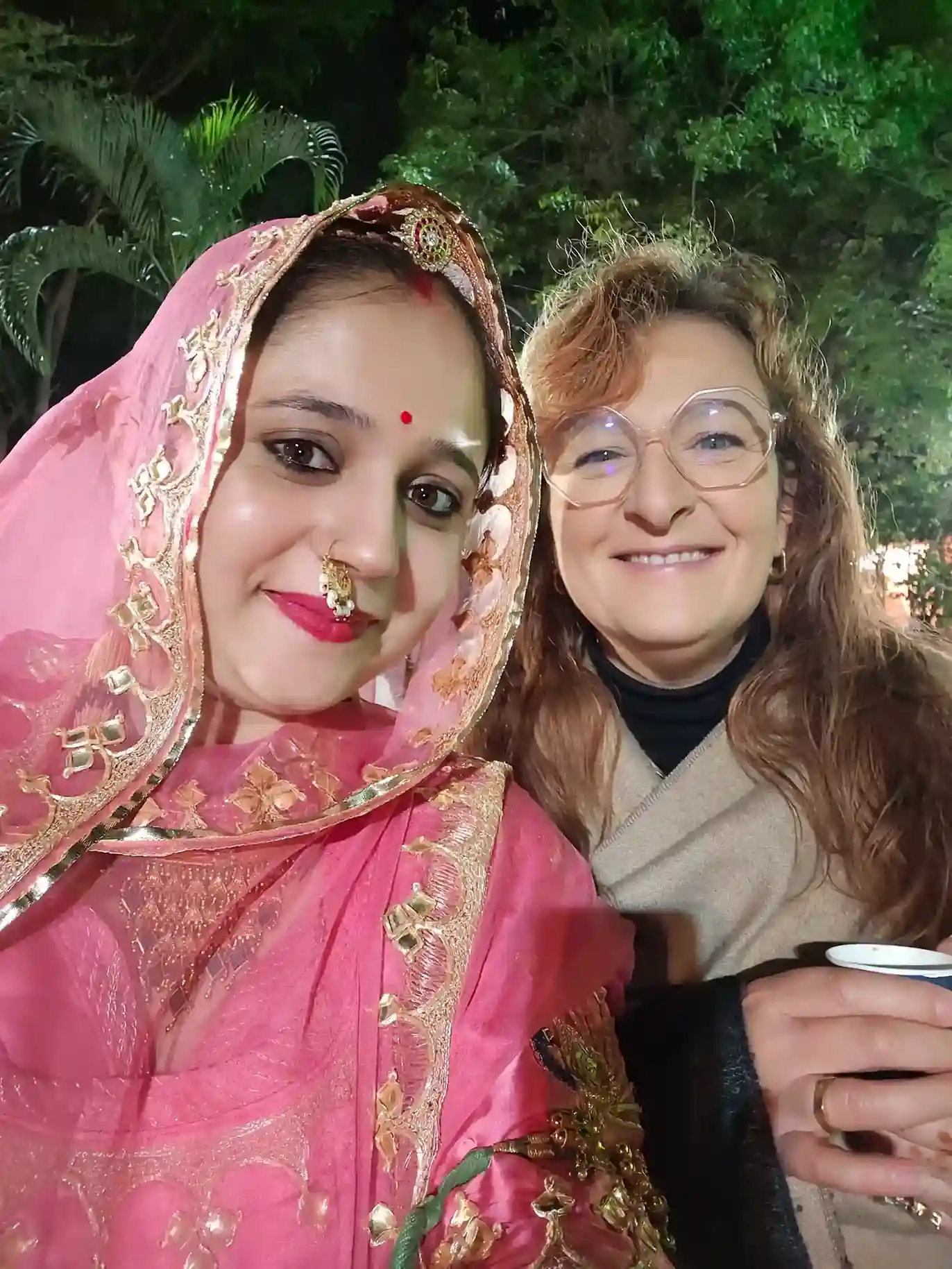
Meet Local People. Discover Their World.
Some of the most memorable cultural experiences happen far from famous monuments. Meet local families, talk with artisans, discover traditional communities and observe everyday life and local skills.
Share a meal, stay with a local family and learn about the customs and traditions that give each region its character.
Sometimes, the Most Special Invitation Is to a Wedding
Imagine walking through a village when a family invites you to attend a traditional wedding. The celebration offers a glimpse into a whole world of culture — its clothing, music, rituals, food, family ties and community life.
When the opportunity arises, and always with the family’s agreement and respect for their wishes, we may be able to help you share such a moment without turning it into a tourist attraction. These are not performances arranged for visitors, but real moments in people’s lives. That is what makes them so special.
Experience Everyday Life at Close Quarters
Sometimes, understanding a country means swapping one hotel night for a stay with a local family. Spend time with your hosts, wake to the rhythm of daily life, share breakfast, ask questions and listen to their stories.
Simple encounters like these often become the memories that stay with you longest, long after the monuments have blurred into a stream of holiday photographs.
A Few Words Can Help Make a Connection
You don’t need to speak Hindi, Nepali, Dzongkha, Sinhala or Tamil fluently to connect with local people. A simple “hello”, “thank you” or “how are you?” in the local language can sometimes open the door to a real conversation.
Our guides can teach you a few useful phrases to help you connect naturally with people you meet. When travellers make the effort to speak a few words of the local language, the distance between guest and host can suddenly feel much smaller.
Our aim is to help you experience a destination from within, rather than simply observe it.
Experience Festivals in Their True Spirit
Festivals are a wonderful way to understand a culture. Nothing compares to being there as the streets come alive, families gather and communities celebrate traditions passed down through generations.
Depending on the season and your travel dates, we can introduce you to some of the most remarkable celebrations across our destinations.
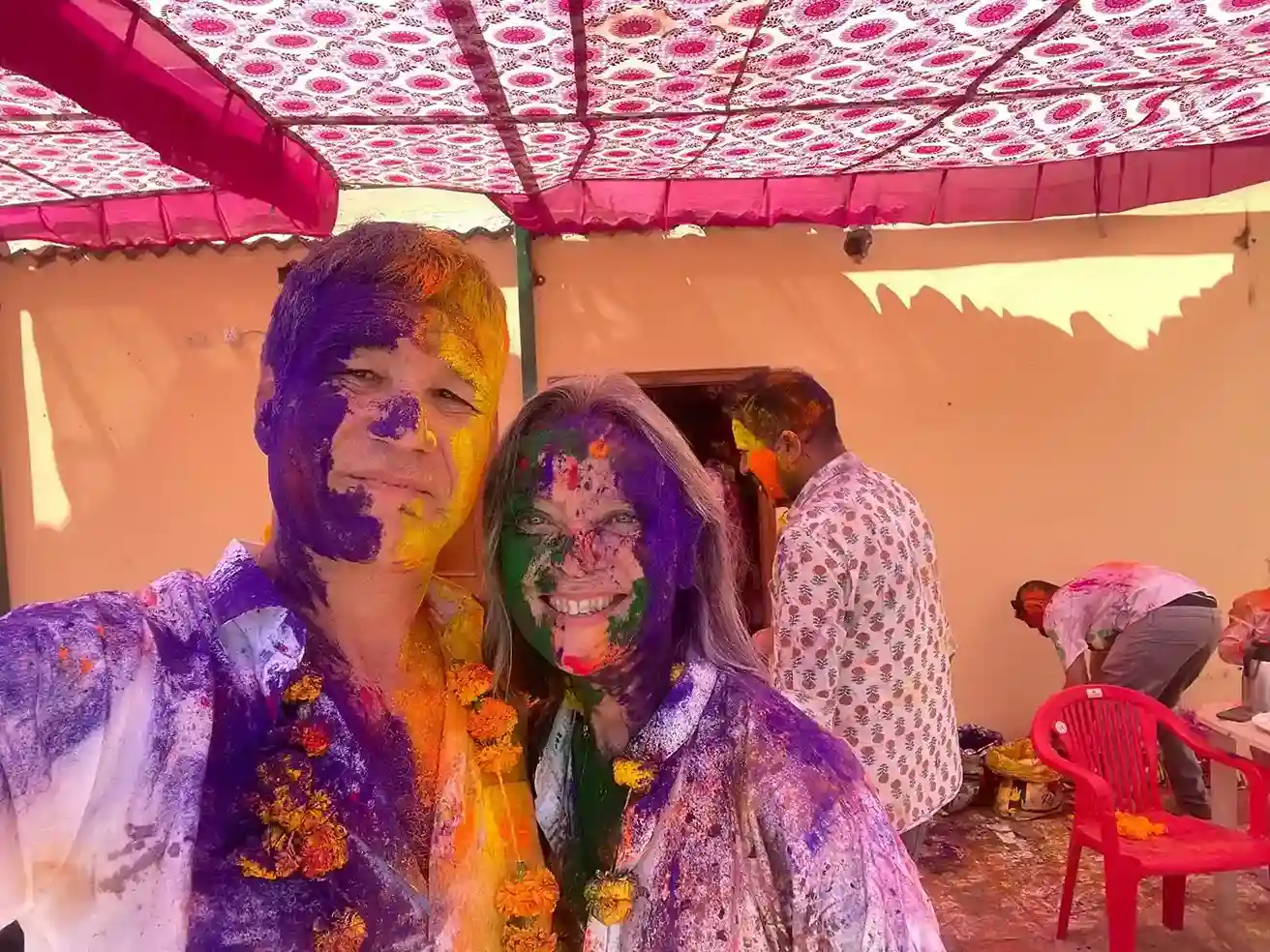
India
Experience Holi, the spectacular Festival of Colours, usually celebrated in February or March. Discover Diwali, the Festival of Lights, when homes, streets and temples glow with thousands of lamps, usually in October or November. Pongal, celebrated in January, shares the agricultural and family traditions of Tamil Nadu. In Ladakh, Hemis Festival brings Buddhist traditions to life through ceremonies and famous masked dances, usually in June or July.
Nepal
Celebrate Holi, also known as Fagu Purnima, as streets fill with colour, usually in February or March. Experience Dashain, Nepal’s biggest festival, a celebration of family, tradition and religious devotion, usually in September or October. Discover Tihar, the Festival of Lights, usually in October or November. Depending on your dates, you may also see Indra Jatra in Kathmandu, with its processions, traditional chariots and long history.
Bhutan
Experience the remarkable atmosphere of a Tshechu, when monasteries and communities gather for sacred masked dances, colourful costumes and Buddhist traditions. Depending on the season, your trip may coincide with Punakha Tshechu, usually in February or March; Paro Tshechu, in March or April; or Thimphu Tshechu, in September or October.
These festivals are not simply performances for visitors. They are living traditions, deeply rooted in Bhutanese culture and spirituality.
Sri Lanka
Discover the colours of the Sinhala and Tamil New Year, one of the country’s most important celebrations, usually in April. Experience the spectacular Kandy Esala Perahera, with its grand processions, dancers, drummers and centuries-old Buddhist traditions, usually in July or August.
Depending on the season, you may also experience Vesak, when Buddhist communities light homes and streets with lanterns, usually in May. Or discover the atmosphere of the Kataragama Esala Festival, usually held in July or August. This major pilgrimage brings people of different faiths together through rituals, processions, music and devotion.
Experiencing a festival adds another dimension to your journey and creates an unforgettable cultural memory.
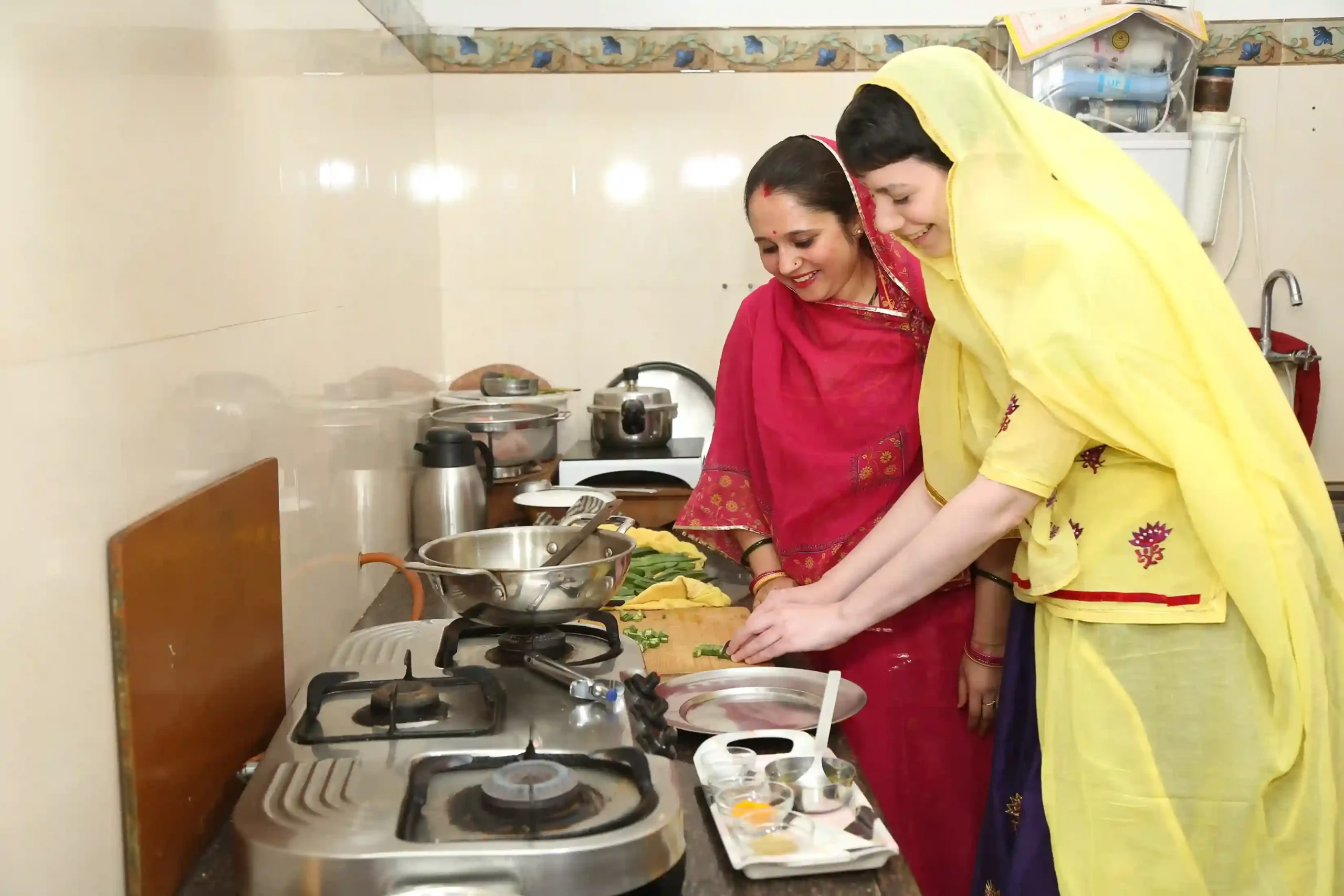
Eat Like the Locals
Food tells a country’s story too. Every region has its own ingredients, flavours and cooking methods, as well as family recipes passed down through generations.
That’s why food experiences and local culinary discoveries are an important part of our cultural tours. Browse a market, taste a regional speciality, share a meal in a family home or roll up your sleeves for a cooking class with local people.
In India, discover the remarkable diversity of regional cuisines. In Nepal, savour Himalayan flavours and Newari food. In Bhutan, try distinctive local dishes and ingredients. In Sri Lanka, enjoy generous, flavourful cooking shaped by spices, seafood, rice and culinary traditions.
The aim is about more than tasting new dishes. It’s also about discovering a culture through its food.
More Than Sightseeing
A cultural tour can take many forms. It might give you the chance to:
Explore UNESCO World Heritage Sites, historic monuments, temples, forts and palaces Discover ancient cities, villages and places away from the usual tourist routes Meet families, local communities and artisans Stay with local families and share meals with your hosts Join cooking classes and explore local markets Experience festivals and attend traditional ceremonies when invited Discover local arts, crafts, music and dance Learn a few words in the local language Hear the stories and legends that bring a region’s past to life
Every trip is shaped by the destination, the season and, above all, your curiosity.
Travel with Respect | Return with a New Perspective
For us, cultural travel should be rooted in curiosity, respect and genuine human connection. We don’t want to turn local communities into tourist attractions. We want our travellers to meet people respectfully, understand their traditions and discover how each culture has its own way of life and its own view of the world.
Our local knowledge helps us find meaningful experiences while respecting the people, places and traditions that make each destination unique.
Don’t bring home only photographs.
Bring home stories, flavours, friendships and a different way of seeing the world.
Tell us which culture you’d like to discover, and we’ll help you go beyond what you’ll find in a guidebook.